

Welcome to the SLMN Blog

Shandong Linmo CNC Machine Tool Equipment Co., Ltd.
Insights, Tips, and More from SLMN CNC Machine Tools

2026 Top 4 Axis CNC Horizontal Machining Centers for Sale

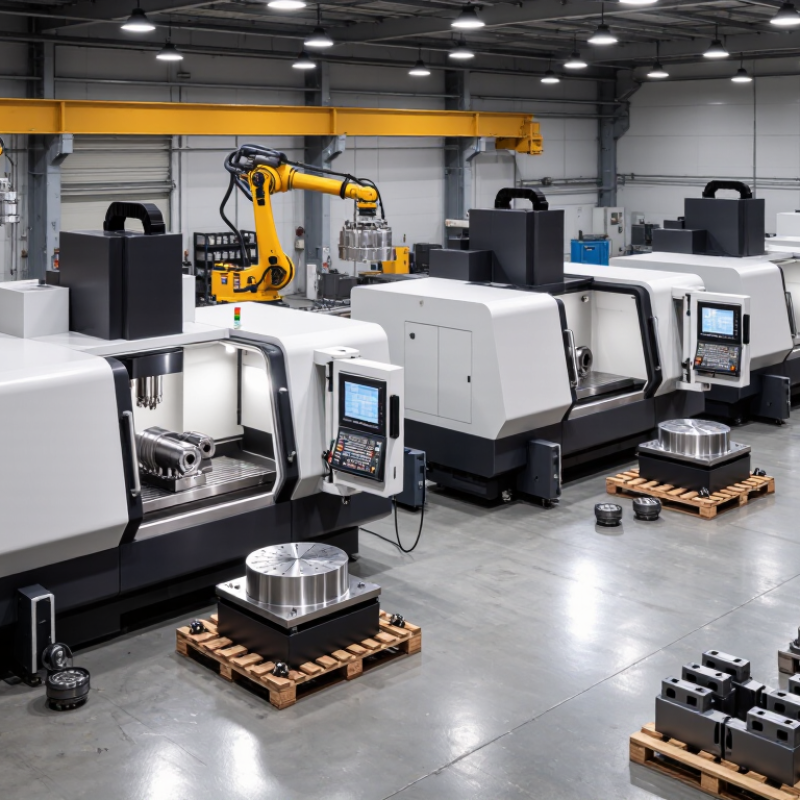
A 4 Axis Cnc Horizontal Machining Center can machine several faces of a workpiece with fewer manual resets. That matters when a shop is cutting aluminum housings, steel brackets, or cast components in repeatable batches. Yet the fourth axis alone does not guarantee higher output. Spindle availability, fixture access, tool capacity, and operator skill all shape the result.

Industry data offers useful context, but not a direct forecast for horizontal machining centers. The International Federation of Robotics reported 541,302 industrial robots installed worldwide in 2023, in its World Robotics 2024 report. IFR President Marina Bill described demand as remaining strong, noting that “the global operational stock of industrial robots has reached a new record.” That figure reflects broad automation, not CNC machine sales. Still, it signals why manufacturers increasingly assess machines as part of connected production cells.

This guide compares four-axis horizontal machining centers available for sale, focusing on practical buying criteria: work envelope, pallet size, spindle speed, control, tool changer, and service support. A small shop may value a compact footprint and straightforward setup. A high-mix plant may care more about quick pallet changes and reliable access to the workpiece. Look beyond brochure specifications. A low purchase price can still prove costly if fixtures block tool access or local support is slow. Some comparisons are imperfect; published specifications rarely show the full cost of real production. The details matter.
2026 Top 4 Axis CNC Horizontal Machining Centers for Sale

What Defines a 4-Axis CNC Horizontal Machining Center?

2026 Top 4 Axis CNC Horizontal Machining Centers for Sale

What Defines a 4-Axis CNC Horizontal Machining Center?

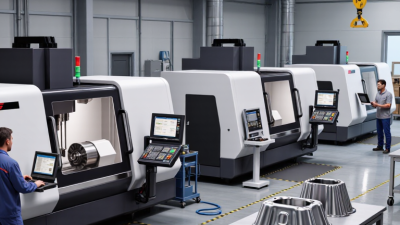
A 4-axis CNC horizontal machining center combines three linear movements with a rotary axis. Its spindle is horizontal, while the workpiece sits on a table or rotary fixture. The rotary axis turns the part around a selected axis, often allowing the machine to reach several faces without manual repositioning. That can reduce setup changes and help maintain alignment between features.

Four axes do not always move at the same time. Some machines rotate the part to set positions, then cut; others support continuous rotary movement during machining. The distinction is easy to miss. For buyers, check the machine’s axis configuration, rotary range, table size, and control functions against actual part drawings. A heavy fixture or awkward casting may still block tool access, even with a rotary axis. More axes do not automatically mean an easier setup.
How the Machine’s Axes, Spindle, and Tool Changer Work

2026 Top 4 Axis CNC Horizontal Machining Centers for Sale

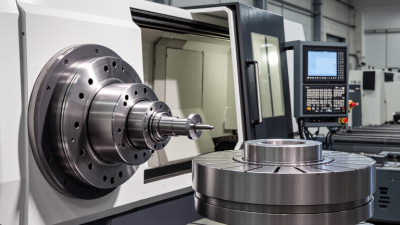
A 4-axis horizontal machining center typically moves along X, Y, and Z, while a rotary axis turns the workpiece. On many models, this fourth axis rotates around the vertical B-axis. The arrangement lets a cutter reach several sides of a part without manual repositioning.

That matters. A machinist can index a fixture, cut a face, then rotate the part for another operation. The exact axis layout varies, so confirm travel, rotation range, and workholding compatibility before buying.

The spindle drives the cutting tool, and its speed and torque affect which materials and cutters it can handle. For example, aluminum work may call for high rotational speed, while heavier cuts in steel often need more torque.

Check the spindle taper, power rating, and cooling method against your actual jobs. Watch the motion. A brief test cut can reveal vibration, unusual noise, or chip buildup that a specification sheet cannot show.

The automatic tool changer moves selected tools between the magazine and spindle, reducing manual changes during a program. Capacity alone is not enough; review tool size limits, change time, and how the machine handles long or heavy tools.

Ask to see a tool change during a cycle. Chips can collect around the table and fixtures, so inspect the chip conveyor and coolant flow as well. One detail is easy to miss: a machine that fits the part may still need a different fixture or longer setup time than expected.

Key Specifications to Compare When Evaluating 2026 Models

When comparing 2026 four-axis horizontal machining centers, start with the work envelope. Check X, Y, and Z travel, table diameter, maximum workpiece swing, and permitted load. A large table is useful only if the part clears the enclosure and fixtures. Measure your actual components, including clamps. Small details matter.

Look closely at the rotary axis. Ask whether the machine supports indexing or continuous simultaneous movement, and verify its positioning accuracy and clamping method. Spindle speed and torque should match your materials and cutting strategy; high speed alone tells little about performance in heavy cuts. Tool capacity and tool-change time also affect production. That number can mislead. Long tools, large holders, and frequent changes may reduce the practical capacity.

For consistent parts, compare stated positioning accuracy and repeatability, then ask how those figures were measured. Thermal compensation and an on-machine probe can help, but request sample inspection data from a representative test cut. Check for through-spindle coolant, chip evacuation, and easy access for routine maintenance. A machine that is awkward to clean can lose valuable production time. Brochures rarely show that. Consider the floor space, operator access, and local service response too; these are easy to overlook when specifications dominate the discussion.

2026 Top 4-Axis CNC Horizontal Machining Centers for Sale

Compare representative X, Y, and Z travel benchmarks across four horizontal machining center capacity classes.

Values are illustrative screening benchmarks in millimeters, not specifications for particular machines. Actual travel varies by configuration; confirm the manufacturer’s specifications, pallet size, rotary-axis limits, and workpiece envelope before purchasing.

Four 4-Axis CNC Horizontal Machining Centers for Sale in 2026

In 2026, buyers comparing four-axis CNC horizontal machining centers should look beyond the price tag. These machines use a rotary axis to reach multiple sides of a part, often reducing manual repositioning. Availability and specifications vary by supplier, so confirm the actual machine configuration before requesting a quote.

A compact horizontal center suits smaller parts and limited floor space.

A mid-size pallet machine offers a practical balance for mixed production runs.

For heavier components, a rigid, high-load configuration can support larger workpieces, but check table capacity and cutting limits carefully.

A high-speed option may benefit shops making many smaller components.

Tool capacity, spindle power, and rotary positioning accuracy still matter more than a headline speed.

Fit matters. Ask for a work envelope drawing and verify that your largest part clears the enclosure, fixtures, and tool changer. Review maintenance records for used equipment, and request a test cut when possible. A clean brochure is not enough. I would also check chip evacuation under real cutting conditions; it is easy to overlook, and it can cause frustrating downtime. These four machine types provide a useful starting point, not a substitute for matching specifications to actual jobs.

How to Match a Machine to Your Workpieces and Production Needs

A four-axis horizontal machining center should fit the workpiece, not just the shop’s wish list. Start with the part. Measure its full envelope with the fixture and pallet included, then check table load, rotary-axis capacity, and tool clearance. A machine that can reach all four faces may cut setups, but cramped access can still create awkward toolpaths. Check the material, too: aluminum, steel, and cast iron place different demands on spindle torque, speed, tooling, and chip removal.

Production needs matter just as much. IFR’s World Robotics 2024 report recorded 4,281,585 industrial robots operating worldwide in 2023, up 10% from 2022. That growth makes automation readiness worth checking, but it does not mean every shop needs a robot. Review pallet options, probing, tool capacity, and service access against your real batch sizes and shift patterns. A faster spindle sounds attractive; it may not improve cycle time if tool changes or loading are the bottleneck. Run a representative part trial where possible. Imperfect data beats a confident guess.

Tips: Bring a drawing, fixture model, material, and target tolerance to supplier discussions. Ask for a cycle-time estimate that includes tool changes and loading. Small batches? Prioritize flexibility. Repeat work? Compare automation and uptime support. Measure the real part. Then check the chips.

  • Address

    North of Industrial Road, Linqing Economic Development Zone,Liaocheng City, Shandong Province, China

  • Email

    w.eric@lucimagnet.com

  • Phone/WhatsApp

    Eric: 0086-15688878114

Get in touch with SLMN today. Whether you have questions about our CNC machine tools , or are interested in becoming a distributor, our team is ready to assist you.

© 2025 Shandong Linmo CNC Machine tool Equipment Co.,Ltd. All Rights Reserved.

Privacy Statement Terms & Conditions Sitemap

© 2025 Shandong Linmo CNC Machine tool Equipment Co.,Ltd. All Rights Reserved.

Privacy Terms & Conditions Sitemap