How to Choose a CNC Horizontal Machining Center in 2026
Choosing a Cnc Horizontal Machining Center in 2026 is less about buying the largest machine and more about matching its capabilities to real production demands. Part size, material, annual volume, and required tolerances should shape the shortlist. So should the factory floor: measure doorways, ceiling height, foundation capacity, and space for chip handling before requesting a quote.
Manufacturing expert Yoram Koren and his coauthors described reconfigurable systems as “designed at the outset for rapid change in structure.” That idea matters when evaluating a machine’s future flexibility. Ask whether its pallet system, spindle options, tool magazine, and controls can support changing jobs without costly disruption. Request cycle-time estimates based on your actual parts, not only a showroom demonstration. Bring a sample workpiece, drawings, and realistic cutting conditions. Details matter.
Reliability deserves equal attention. Compare service response times, local parts availability, preventive-maintenance needs, and operator training. A fast spindle is useful, but only if the machine stays productive and produces consistent parts. Inspect chip evacuation closely; stubborn chips around a fixture can quietly undermine uptime. Check what the warranty excludes, too. Small print counts.
This guide will help buyers compare layouts, specifications, automation, and total ownership costs. It will also flag trade-offs that brochures tend to smooth over. No checklist predicts every shift. A careful review still beats a rushed purchase.
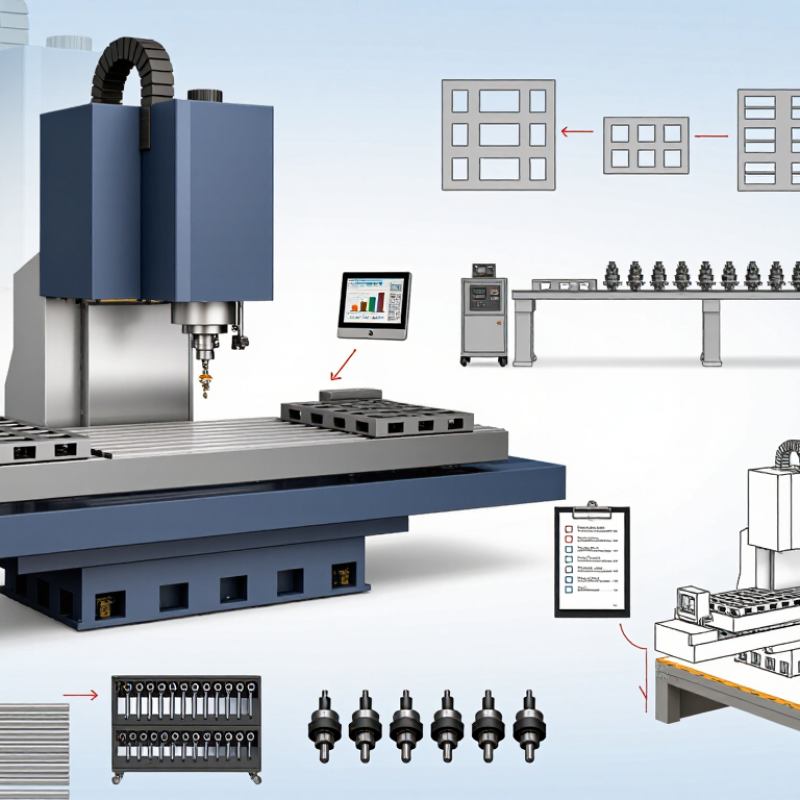
Define the Role of a CNC Horizontal Machining Center
A CNC horizontal machining center is defined by more than its spindle orientation. Its spindle approaches the workpiece from the side, while a rotary table or pallet system can present multiple faces. This layout suits housings, manifolds, and other parts that need machining on several sides. Fewer manual resets can help maintain datum accuracy and keep production moving. Not just speed. It also changes how parts are fixtured, how chips leave the cutting area, and how operators load work.
Define the machine’s role by the parts and workflow it must support. Will it rough deep pockets, finish several faces in one setup, or run repeated batches with pallet changes? Check part dimensions, fixture clearance, required axis travel, spindle power, and tool capacity against real jobs—not only catalog examples. Horizontal machining can improve chip evacuation because chips tend to fall away from the cutting zone, but fixture design and coolant still matter. A large machine may be the wrong choice if most parts are small or production is irregular. That trade-off is easy to miss. Review setup time, operator access, and expected utilization alongside cutting capability; the best fit is the one that solves a defined production need without adding complexity the shop cannot use.
How to Choose a CNC Horizontal Machining Center in 2026: Define Its Role
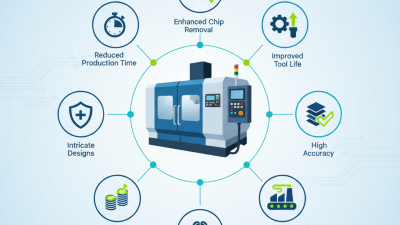
Horizontal machining centers use a horizontally oriented spindle, often with a pallet system, to machine workpieces efficiently. This chart shows common axis configurations: all have three linear axes, while additional rotary axes can provide access to more faces with fewer repositioning steps. Choose a configuration based on part geometry and the number of faces that need machining.
Match Machine Capacity to Part and Production Requirements
Start with the largest part you expect to machine, not the average job. Measure its length, width, height, and fixture footprint. Check X, Y, and Z travel with clearance for tool changes and probing. A part that barely fits on paper may collide with a tombstone or spindle nose. Leave room.
Table capacity is more than the part’s weight. Include fixtures, clamps, and the force created during cutting. A heavy fixture placed off-center can affect stability and access. For a long steel housing, confirm that the table supports its full span, not just its center. Check pallet size and exchange time if jobs run in repeated batches. Small details matter.
Match spindle performance to the material and cutter, rather than choosing the highest speed available. Large cutters removing steel need torque; small tools in aluminum may benefit from higher rpm. Review expected tool length, magazine capacity, chip volume, and coolant needs. A crowded tool magazine can slow mixed-part production. It is tempting to buy extra capacity for every possible future job, but unused travel and options add cost. Forecast the parts and batch sizes you can reasonably support, then leave a measured margin. Forecasts are imperfect. Revisit them.
Compare Configurations, Performance, and Automation Options
When choosing a CNC horizontal machining center in 2026, compare its configuration with your part family, not just its headline specifications. A four-axis setup suits repeatable prismatic parts; pallet changing separates cutting time from loading time. For deep housings, check spindle reach, tool clearance, and chip evacuation around internal pockets. Small details matter. A compact footprint may look efficient on a layout, yet restrict service access or longer fixtures. Review actual workpiece dimensions, fixture mass, and the largest tools you expect to use.
Performance figures need context. Compare spindle torque at the speeds used for your materials, and examine positioning data under stated test conditions. Request a representative cycle-time estimate that includes tool changes, probing, and chip clearing—not only cutting time. Automation can range from a second pallet to a multi-machine cell. Match the level to production mix, operator coverage, and floor space. More automation is not automatically better. If jobs change daily, complex scheduling may add setup work. Check how programs, fixtures, tool life, and recovery procedures will be managed. Could a failed tool or delayed part stop the whole cell? Include that scenario in acceptance testing.
Assess Accuracy, Compatibility, and Total Cost of Ownership
How to Choose a CNC Horizontal Machining Center in 2026
Assess accuracy under realistic conditions, not just the figures on a specification sheet. Ask for positioning and repeatability test results, then inspect performance after warm-up. A machine may hold tolerance in a test cut but drift during a long production run. Request a sample part using your material, tooling, fixtures, and cutting sequence. Real parts matter. Also check pallet size, spindle interface, tool capacity, and control compatibility against existing processes.
Plan for data exchange and automation before selecting optional equipment. The Deloitte and MAPI 2019 Smart Factory Study found that 86% of surveyed manufacturers viewed smart factory initiatives as a future competitiveness driver. This is a survey, not a guarantee of return, but it highlights the value of assessing connectivity early. Confirm that the machine can share usable production and alarm data with your systems, and that operators can manage its interface without extra workarounds.
Compare total cost of ownership over a realistic service period, not purchase price alone. Include tooling, fixtures, installation, energy, coolant, maintenance, training, floor space, and expected downtime. Estimate cost per good part across your actual shift pattern. Ask suppliers to state assumptions behind service intervals and availability estimates; those numbers can be optimistic. It adds up. A spreadsheet helps, but actual shop-floor data is better.
Verify Supplier Support and Validate the Machine Before Purchase
How to Choose a CNC Horizontal Machining Center in 2026
A capable machine is only part of a dependable purchase. Check what support the supplier can provide after installation, not just during the sales process. Ask who handles commissioning, operator training, and troubleshooting, and how quickly help is usually available. Request a written service plan with response times, spare-parts arrangements, and clear warranty terms. Vague promises are hard to use when a spindle alarm stops production.
Tips: Ask for a sample maintenance schedule. Confirm which parts are stocked locally. Get training hours and service contacts in writing. Small details matter.
Before ordering, define a practical acceptance test with the supplier. Use your own part material, tooling, and a representative cutting cycle where possible. Measure critical features, inspect surface finish, and record cycle time, tool changes, and any alarms. Check chip evacuation and coolant behavior during a sustained run, not just a short demonstration. Keep the results and agreed tolerances in writing. A polished showroom cut can hide production issues. One imperfect test is still useful: it reveals what needs adjustment before the machine reaches your floor.