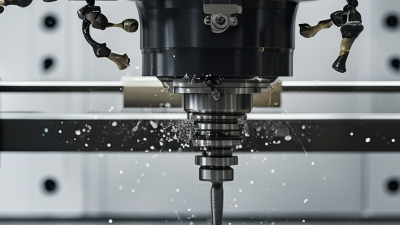
What Is an Aluminium CNC Machining Centre?
Aluminium is light, corrosion-resistant, and widely used in transport, construction, packaging, and electronics. Cutting it accurately still takes care. The International Aluminium Institute’s demand analysis projects that global aluminium demand could rise by nearly 40% between 2020 and 2030. This is a forecast, not a guarantee. But it points to growing pressure on manufacturers to produce precise parts efficiently and consistently.
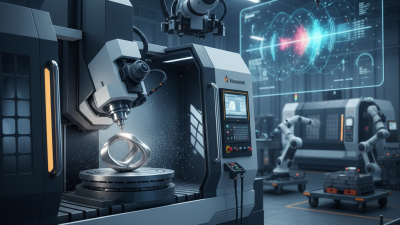
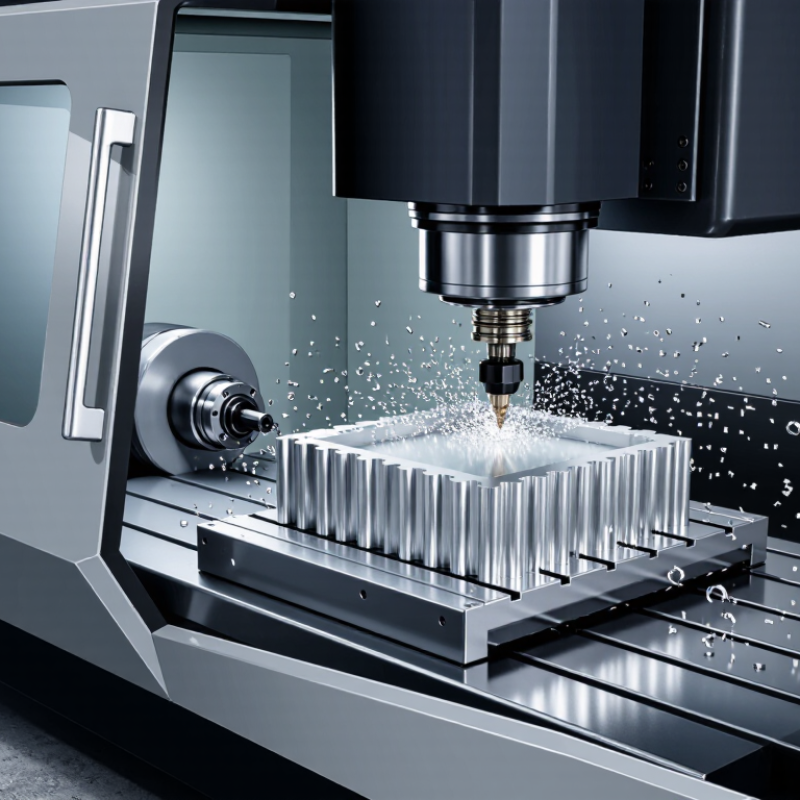
An Aluminium CNC Machining Centre is a computer-controlled machine that moves cutting tools along programmed paths to shape aluminium stock. Many centres include automatic tool changers, multiple axes, and fixtures that hold a workpiece steady. Picture a billet secured on a table while an end mill cuts a pocket, leaving bright chips around the fixture. The machine’s control system coordinates tool movement, spindle speed, and feed rate. Chip removal and heat management matter, because aluminium can stick to cutting edges and leave a poor finish when machining conditions are unsuitable.
The label alone does not tell buyers whether a machine fits their work. Spindle capability, travel, rigidity, workholding, and tool-change performance all affect the result. Shop requirements matter, too. A compact enclosure may suit small components, while larger parts need more working space and secure support. This introduction explains how these centres work, which features deserve attention, and where their limits begin. Specifications should be checked against the actual alloy, part geometry, and production plan; marketing claims cannot replace a machining trial.
Definition and Purpose of an Aluminium CNC Machining Centre
An aluminium CNC machining centre is a computer-controlled machine that cuts aluminium parts through programmed movements. It can mill faces, drill holes, cut pockets, and machine slots, often without moving the workpiece between operations. Its purpose is repeatable accuracy: a housing can be clamped once, then shaped with a series of tools following a digital toolpath. The machine’s control coordinates the spindle, cutting tools, and worktable. That distinction matters. “Aluminium” describes the intended work, not one universal machine design.
Aluminium cuts relatively easily, but its long, springy chips can wrap around a tool or mark a finished surface. A suitable centre therefore needs effective chip removal, stable workholding, and cutting settings matched to the alloy and tool. Coolant or air may help clear chips; the right choice depends on the job. The International Aluminium Institute reports global primary aluminium production of about 70.6 million tonnes in 2023, showing the material’s industrial scale, though this figure does not measure CNC machine demand. In practice, a faster spindle is not automatically better. Poor fixturing can still leave chatter or a slightly uneven edge, and that detail is easy to underestimate.
What Is an Aluminium CNC Machining Centre?
Typical Thermal Conductivity of Common Aluminium Materials
Thermal conductivity indicates how readily heat moves through a material. These approximate room-temperature values help explain why heat management matters when machining aluminium; actual values vary with alloy composition, temper, and condition.
Key Components and Their Functions
What Is an Aluminium CNC Machining Centre?
Key Components and Their Functions
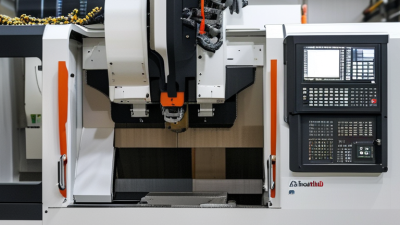
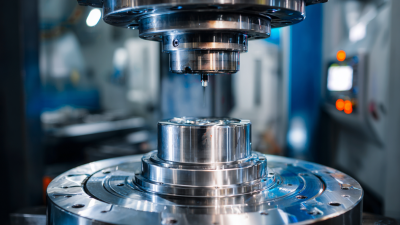
An aluminium CNC machining centre combines a rigid frame, moving axes, a spindle, and a control system. The frame supports the machine and helps limit vibration during cutting. Linear guides and ball screws move the table or cutting head along programmed paths. The spindle holds and rotates the cutting tool; its speed and power affect surface finish and material removal. A tool holder connects the cutter to the spindle, while the workholding system keeps the aluminium part steady. Coolant or air helps manage heat and clear chips from the cutting area. The control system coordinates these movements and follows the programmed toolpath.
Tips: Choose cutters suited to aluminium, and make sure chips can escape the cutting zone. Check that the part is clamped securely without distortion. Small details matter. A blocked chip path can mark a finished surface or interrupt a cut.
Each component affects the others. For example, a sharp tool cannot compensate for a loose fixture, and excessive vibration may leave visible marks on a machined edge. Operators should inspect tool condition, workholding, and machine alignment as part of routine setup. An ideal setup is rarely perfect; part shape, tool reach, and production needs create trade-offs. Measuring a test cut can reveal issues before they affect a full batch.
How the Machining Process Works
An aluminium CNC machining centre turns a digital design into a physical part through controlled cutting.
The operator secures aluminium stock in a vice or fixture, then loads a toolpath created from CAD/CAM software. The machine moves the cutting tool along programmed axes, removing material in stages. Roughing quickly clears bulk stock; finishing passes create edges, holes, and surface details.
Small details matter.
Aluminium conducts heat well, but thin walls can still vibrate or distort under cutting forces. Operators choose suitable cutters, speeds, feeds, and coolant, then inspect dimensions with gauges or a coordinate-measuring machine. The sequence sounds tidy; in practice, chip buildup or a loose fixture can spoil a pass.
The Aluminum Association’s Aluminum Design Manual lists aluminium’s density at about 2.70 g/cm³, useful when estimating stock weight and handling. After machining, separated chips can be collected for recycling. The International Aluminium Institute reports that recycling aluminium uses about 5% of the energy needed for primary production. That figure concerns remelting, not the machining operation itself.
Features That Support Aluminium Cutting
What Is an Aluminium CNC Machining Centre?
Features That Support Aluminium Cutting
An aluminium CNC machining centre combines controlled tool movement with features suited to a lightweight, relatively soft metal. Cutting performance depends on more than spindle speed. A rigid frame helps limit vibration, while responsive axes support smooth movement around pockets, slots, and thin walls. High spindle speeds can help produce clean finishes, but the tool, feed rate, and setup must match the job. Speed alone is not a solution.
Chip removal matters. Aluminium chips can cling to a cutting edge or collect inside a deep pocket, affecting finish and accuracy. Coolant or directed air helps clear them, depending on the operation and material. Heat still builds. A stable workholding setup also reduces movement when cutting narrow sections. Tool runout is easy to overlook, yet even small errors can leave visible marks. No setup is perfect; test cuts and measurement remain useful, especially when part geometry changes.
Common Applications and Machine Types
An aluminium CNC machining centre removes material from aluminium stock using computer-controlled cutting tools. Its applications range from compact electronic housings and heat sinks to automotive brackets, aircraft fittings, and custom prototypes. Each part brings different demands. Thin walls may flex under cutting pressure, while deep pockets can trap chips and heat. Chips matter. Good chip evacuation, suitable tooling, and secure workholding help maintain surface quality and dimensional accuracy. A high spindle speed alone is not a complete solution; the alloy, toolpath, and setup all affect the result.
Machine types are commonly distinguished by axis configuration and layout. A three-axis vertical machining centre suits many flat plates, pockets, and drilled features, and is often a practical choice for straightforward parts. Four- and five-axis machines can reach several faces with fewer setups, which helps when a component has angled features or complex contours. Horizontal machining centres can support work on multiple sides and manage chip flow differently. Larger gantry machines are used for broad panels and sizeable components. In practice, the fixture can be the weak link. A rigid setup may reduce vibration, but overly forceful clamping can distort a thin aluminium part. Choosing a machine means weighing geometry, production volume, tolerances, and finishing needs—not just cutting speed.