

Welcome to the SLMN Blog

Shandong Linmo CNC Machine Tool Equipment Co., Ltd.
Insights, Tips, and More from SLMN CNC Machine Tools

Top CNC Machining Centers for Global Buyers

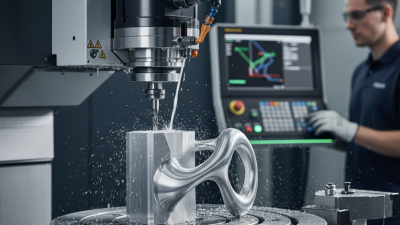
Global buyers are rethinking what a Cnc Machining Center should deliver. Speed still matters, but it is no longer enough. Buyers now examine positioning accuracy, spindle stability, automation readiness, energy use, service coverage, and operator safety. A machine that looks inexpensive may become costly when replacement parts cross borders or software support ends.

Industry data shows why this market deserves careful comparison. MarketsandMarkets estimates that the global CNC machine market will grow from approximately USD 88 billion in 2024 to more than USD 117 billion by 2029. Grand View Research also identifies automation, aerospace production, medical devices, and electric vehicles as important growth drivers. These reports measure the wider CNC sector, not every machining center specifically. That limitation matters.

Dr. David A. Dornfeld, a respected manufacturing researcher at the University of California, Berkeley, wrote, “Sustainable manufacturing is the creation of manufactured products through economically-sound processes that minimize negative environmental impacts while conserving energy and natural resources.” His principle applies directly to modern purchasing decisions. A reliable Cnc Machining Center should reduce scrap, shorten setup time, and maintain repeatable quality across long production runs. It should also fit the buyer’s workforce and local technical support.

No global ranking is perfect. Factory conditions differ widely. A machine proven in Germany may need different guarding, training, or maintenance planning in Brazil or Vietnam. Buyers should therefore compare verified specifications, cutting tests, warranty terms, and total ownership costs. The details can be unglamorous. They often decide whether an investment succeeds.
Top CNC Machining Centers for Global Buyers

What Defines a CNC Machining Center?

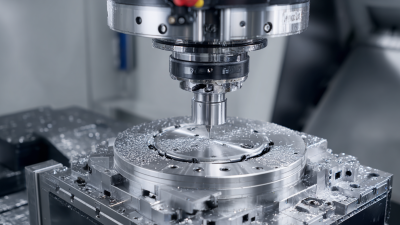
A CNC machining center is a computer-controlled machine that removes material from a solid workpiece. It combines cutting, drilling, tapping, and boring in one controlled setup. Most centers include an automatic tool changer, a workholding system, and a programmable spindle. This combination reduces manual handling and improves repeatability.

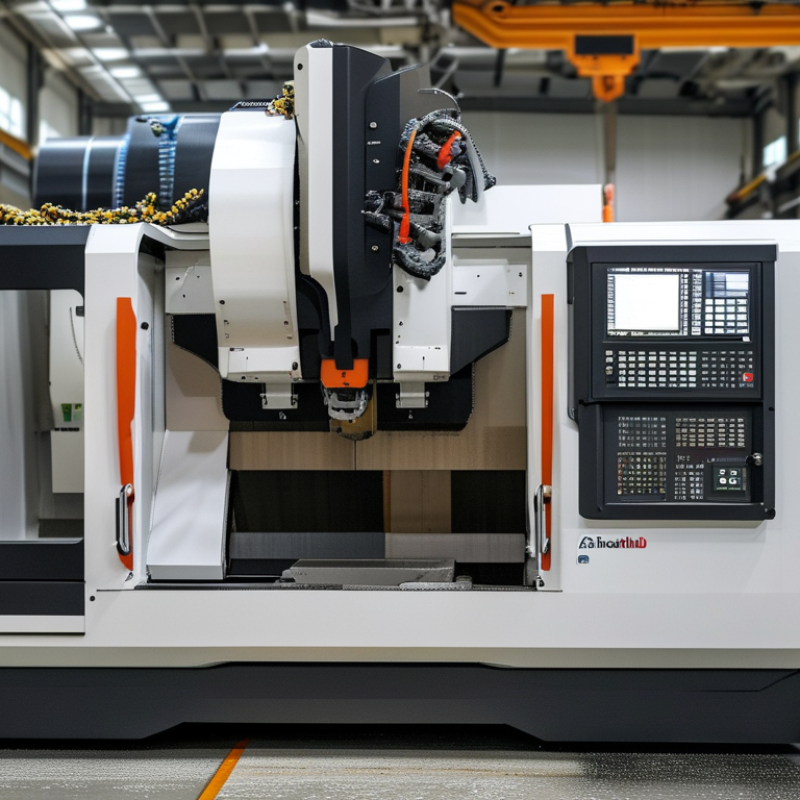
The machine’s structure defines its practical value. A rigid frame limits vibration during heavy cuts. Accurate linear guides support steady movement along multiple axes. The spindle controls cutting speed, torque, and tool compatibility. Sensors can monitor position, temperature, and tool condition. These details matter when producing aluminum housings, steel brackets, or complex molds. In real workshops, calibration records and operator experience often affect results as much as machine specifications.

A machining center is not simply a faster milling machine. It is an integrated production system. Its control software coordinates motion, tooling, coolant, and programmed cutting paths. Buyers should examine working travel, spindle power, positioning accuracy, service support, and safety functions. The best choice depends on material, part size, tolerances, and production volume. Bigger is not always better. A large machine may waste floor space and energy for small components.

The definition still has limits. Some machines appear highly automated but require frequent manual adjustment. That gap deserves honest attention. Reliable performance comes from suitable design, careful setup, verified programs, and regular maintenance. Mistakes happen. Good engineering makes them easier to detect and correct.

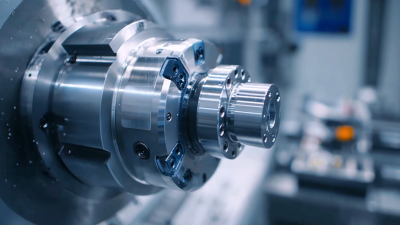
Key Types of CNC Machining Centers for Global Buyers

Top CNC Machining Centers for Global Buyers

Key Types of CNC Machining Centers for Global Buyers

Vertical machining centers suit many workshops because they offer clear access, compact layouts, and practical setup control. They handle molds, brackets, plates, and general precision components efficiently. Their spindle works vertically, making chip removal and fixture inspection relatively straightforward. It is not universal. Very tall parts may require extra clearance or a different machine design.

Horizontal machining centers use a side-mounted spindle and often support pallet-changing systems. This arrangement improves access to multiple faces and helps chips fall away from the cutting area. They are useful for engine housings, gear components, and production work with repeated setups. Buyers should inspect pallet size, spindle torque, tool capacity, and local electrical requirements before ordering.

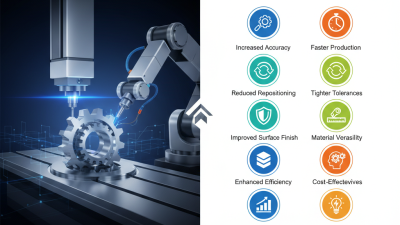
Five-axis machining centers can reach complex surfaces with fewer repositioning steps. They are valuable for aerospace structures, medical components, impellers, and detailed dies. Gantry machines provide a wide working envelope for large plates and oversized structures. Mill-turn centers combine turning and milling, reducing transfer errors between machines. However, advanced capability can increase programming demands, maintenance costs, and operator training. A careful buyer should compare real part drawings, not impressive specifications alone. One overlooked detail, such as limited travel around a fixture, can reduce productivity quickly. Fit matters more.

Top CNC Machining Centers for Global Buyers

Key types are compared by their typical controlled-axis configuration. More axes generally support machining more complex geometries with fewer setups.

Note: Axis counts represent common configurations rather than brand-specific specifications. Actual capabilities vary by machine model and application.

Essential Performance and Specification Criteria

For global buyers, a CNC machining center should be judged by repeatable evidence, not impressive brochure numbers. Start with the work envelope: table size, axis travel, spindle nose clearance, and maximum workpiece weight. A compact table may limit fixtures. Measure twice.

Spindle performance also matters. High speed suits aluminum and fine finishing, while lower-rpm torque supports steel and deep cuts. Check rated power, taper, cooling method, and thermal stability during continuous operation.

Accuracy and repeatability are separate specifications. Ask for test results at the intended temperature, feed rate, and load. Positioning accuracy alone can hide drift during long production runs.

Confirm axis guide design, ball-screw protection, calibration intervals, and probing options. The automatic tool changer should match tool length, diameter, weight, and change time. More pockets are not always better. They may increase cost and maintenance.

Global operation requires practical compatibility. Verify voltage, frequency, control-language options, safety functions, chip evacuation, coolant filtration, and compressed-air requirements.

Request clear manuals, remote diagnostic procedures, spare-parts lead times, and operator training. A technically excellent machine can still be difficult to support across borders.

Be cautious with claimed cycle times; results depend on tooling, material, programming, and operator skill. Test a sample part with your actual alloy and tolerance. That imperfect trial often reveals more than a polished demonstration.

How to Compare Manufacturers, Costs, and Support

For global buyers, comparing CNC machining centers begins with capability, not catalog price. Grand View Research valued the global CNC machine market at approximately USD 83.8 billion in 2023, with continued growth expected through 2030. This expansion increases supplier choice, but it also makes technical verification harder. Ask manufacturers for spindle power, positioning accuracy, thermal compensation, and tested cycle-time data. Request sample parts from your material, not polished showroom components. Real evidence matters more than impressive specifications.

Total cost includes tooling, installation, training, software, maintenance, energy, and downtime. The U.S. Department of Energy reports that compressed-air systems can waste 20% to 30% of their energy through leaks and poor control. A machine with efficient auxiliaries may therefore reduce operating costs. Compare five-year ownership costs, including local service rates and spare-parts delivery. Warranty length alone can mislead. Read the exclusions carefully.

Support is often the deciding factor. Ask how many trained technicians serve your region, how remote diagnostics work, and whether critical parts are stocked nearby. The International Federation of Robotics reported over 540,000 industrial robots installed worldwide in 2023, showing how quickly factory technology is scaling. Yet advanced equipment still fails without practical support. I have seen buyers overvalue automation and undervalue training. That mistake is expensive. A supplier should provide clear escalation contacts, response targets, and maintenance records. Some comparisons remain imperfect, because quoted cycle times rarely match factory conditions. Test before committing.

Global Purchasing, Compliance, and Delivery Considerations

Top CNC Machining Centers for Global Buyers

Global purchasing requires more than comparing spindle speed and table size. A serious evaluation starts with the machine’s intended work. Consider material, tolerance, workload, floor space, power supply, and operator skills. A center built for aluminum may struggle with hardened steel. Ask for test cuts using your actual drawings and materials. Request inspection reports, calibration records, manuals, and spare-parts lists before placing an order. These details reveal capability better than polished brochures.

Compliance and delivery can change the final cost. Confirm applicable safety, electrical, noise, and import requirements in the destination country. Screen all transaction parties and prepare accurate commercial invoices, packing lists, certificates of origin, and serial-number records. Clarify Incoterms, insurance responsibility, port handling, installation, and commissioning support. A wooden crate may look secure, yet poor moisture protection can damage precision components during a long ocean journey. Delivery dates also need realistic buffers. Customs delays happen. Sometimes the original plan is too optimistic.

Tips: Use a compliance checklist and obtain written answers. Compare total landed cost, not only machine price. Inspect the crate before opening it, photograph every side, and record visible damage. Keep one technical contact on each side. A spreadsheet helps, but it cannot capture every risk. Recheck assumptions before payment.

Top CNC Machining Centers for Global Buyers - Global Purchasing, Compliance, and Delivery Considerations

Machine category Typical working envelope Typical spindle and axis capability Best-fit applications Global purchasing checks Key compliance considerations Indicative delivery planning Recommended buyer documents
3-axis vertical machining center Approximately 500–1,500 mm X-axis; 350–700 mm Y-axis; 400–700 mm Z-axis 7,500–15,000 rpm spindle; BT30, BT40, or equivalent taper; 3 linear axes General production, prototypes, aluminum parts, steel components, molds, and fixtures Confirm table size, maximum workpiece weight, tool capacity, voltage, controller language, and after-sales support Verify machine safety guarding, emergency-stop functions, electrical documentation, grounding, and destination-market conformity marking Commonly 8–20 weeks for standard configurations; custom options may extend the schedule Technical specification, approved layout, inspection checklist, packing list, commercial invoice, and certificate of origin where required
4-axis vertical machining center Approximately 600–1,200 mm X-axis; 400–650 mm Y-axis; 450–700 mm Z-axis 8,000–15,000 rpm spindle; rotary table or integrated fourth axis; simultaneous or indexed 4-axis operation Prismatic parts, housings, impellers, multi-face machining, and reduced-repositioning production Check rotary-table diameter, through-hole size, torque, payload, clamping method, and post-processor compatibility Confirm guarding around rotating fixtures, electrical protection, risk assessment, operating manual, and software licensing terms Typically 12–24 weeks, depending on rotary-axis availability and integration requirements Rotary-axis specifications, interface drawings, test-cut report, geometric accuracy report, and software backup policy
5-axis machining center Approximately 300–1,000 mm X-axis; 300–800 mm Y-axis; 300–700 mm Z-axis 10,000–24,000 rpm spindle; trunnion or swivel-head configuration; simultaneous 5-axis machining Aerospace-style components, medical parts, turbine-related geometry, molds, and complex contoured surfaces Evaluate volumetric accuracy, rotary-axis backlash, collision avoidance, CAM compatibility, probing, and operator training Request documented risk assessment, safeguarding validation, electrical conformity file, and export-control screening for restricted applications Often 20–40 weeks; factory acceptance testing and installation training should be included in the project plan Acceptance protocol, ball-bar or equivalent accuracy results, rotary-axis calibration data, training plan, and maintenance schedule
Horizontal machining center Approximately 500–1,000 mm X-axis; 500–900 mm Y-axis; 500–900 mm Z-axis 6,000–15,000 rpm spindle; palletized workholding; 4-axis or 4-axis-ready configuration High-volume production, deep cavities, automotive-style components, and multi-face machining Check pallet dimensions, pallet-change time, chip evacuation, tombstone compatibility, coolant filtration, and foundation requirements Confirm automated pallet safety, interlocking, electrical ratings, lifting points, and local installation requirements Usually 20–36 weeks; automation, extra pallets, and chip-management systems can add lead time Floor plan, foundation drawing, utility schedule, pallet interface drawing, cycle-time validation, and preventive-maintenance parts list
High-speed machining center Approximately 500–1,500 mm X-axis; 350–700 mm Y-axis; 300–600 mm Z-axis 18,000–40,000 rpm spindle; high acceleration; direct-drive or motorized spindle options Graphite, aluminum, electrodes, detailed molds, thin-wall parts, and short-cycle finishing work Review spindle runout, thermal stability, vibration control, tool balancing, extraction, and recommended cutting-tool limits Assess noise, dust or graphite extraction, guarding, thermal protection, and electrical compatibility with the destination country Approximately 16–30 weeks, subject to spindle and high-speed accessory availability Spindle test data, vibration limits, extraction requirements, recommended tooling specification, and sample surface-finish results
CNC mill-turn machining center Typical turning diameter 250–800 mm; turning length 400–1,500 mm 3,000–6,000 rpm turning spindle; 6,000–12,000 rpm milling spindle; C-axis and driven tools Complete machining of shafts, flanges, fittings, valves, and rotational parts requiring fewer setups Confirm bar capacity, chuck or collet system, tailstock, sub-spindle, tool positions, part-transfer method, and chip control Verify rotating-equipment guarding, chuck safety, interlocks, lifting instructions, electrical conformity, and coolant-management obligations Commonly 20–40 weeks; sub-spindles, bar feeders, and automated loading may require additional time Kinematic layout, chuck specification, cycle-time study, first-article inspection plan, tooling list, and spare-parts recommendation
Large-format gantry machining center Approximately 2,000–6,000 mm X-axis; 1,500–3,500 mm Y-axis; 800–1,500 mm Z-axis 3,000–12,000 rpm spindle; 3-axis, 4-axis, or 5-axis head options; heavy-duty structure Large molds, energy equipment, rail components, structural parts, and oversized steel or aluminum workpieces Check factory access, container or break-bulk transport, foundation loads, leveling method, installation equipment, and service travel distance Confirm site acceptance requirements, lifting and anchoring procedures, electrical protection, noise controls, and local building or workplace rules Often 28–52 weeks; civil works, sea freight, customs clearance, and commissioning should be scheduled separately Foundation plan, transport dimensions, gross weight, lifting diagram, installation method statement, commissioning checklist, and warranty terms
Buyer note: Specifications and lead times are indicative market ranges for comparable machine classes, not quotations. Final selection should be based on validated part drawings, cycle-time trials, destination-country electrical requirements, applicable machinery-safety rules, import documentation, and a documented factory acceptance test.
  • Address

    North of Industrial Road, Linqing Economic Development Zone,Liaocheng City, Shandong Province, China

  • Email

    w.eric@lucimagnet.com

  • Phone/WhatsApp

    Eric: 0086-15688878114

Get in touch with SLMN today. Whether you have questions about our CNC machine tools , or are interested in becoming a distributor, our team is ready to assist you.

© 2025 Shandong Linmo CNC Machine tool Equipment Co.,Ltd. All Rights Reserved.

Privacy Statement Terms & Conditions Sitemap

© 2025 Shandong Linmo CNC Machine tool Equipment Co.,Ltd. All Rights Reserved.

Privacy Terms & Conditions Sitemap