

Welcome to the SLMN Blog

Shandong Linmo CNC Machine Tool Equipment Co., Ltd.
Insights, Tips, and More from SLMN CNC Machine Tools

5 Essential Tips for Mastering 5 Axis Machining Center Techniques?

The manufacturing industry has witnessed a significant shift towards advanced machining techniques. Among these, the 5 Axis Machining Center stands out as a vital innovation. Recent studies show that 5-axis machining can reduce production time by up to 75%. This efficiency makes it essential for competitive manufacturers.

However, mastering the 5 Axis Machining Center is not without its challenges. Many operators struggle with tool path programming. Even minor errors can lead to costly production delays. Reports indicate that nearly 30% of machining errors stem from improper setups and lack of training.

As industries continue to push for precision, improving skill sets becomes crucial. Understanding the fundamentals and advanced techniques of 5 Axis Machining can help resolve common issues. This article aims to provide essential tips for enhancing expertise in this complex area. Addressing these challenges can lead to better outcomes and higher quality products in machining operations.
5 Essential Tips for Mastering 5 Axis Machining Center Techniques?

Understanding the Basics of 5 Axis Machining Centers

5 Essential Tips for Mastering 5 Axis Machining Center Techniques?

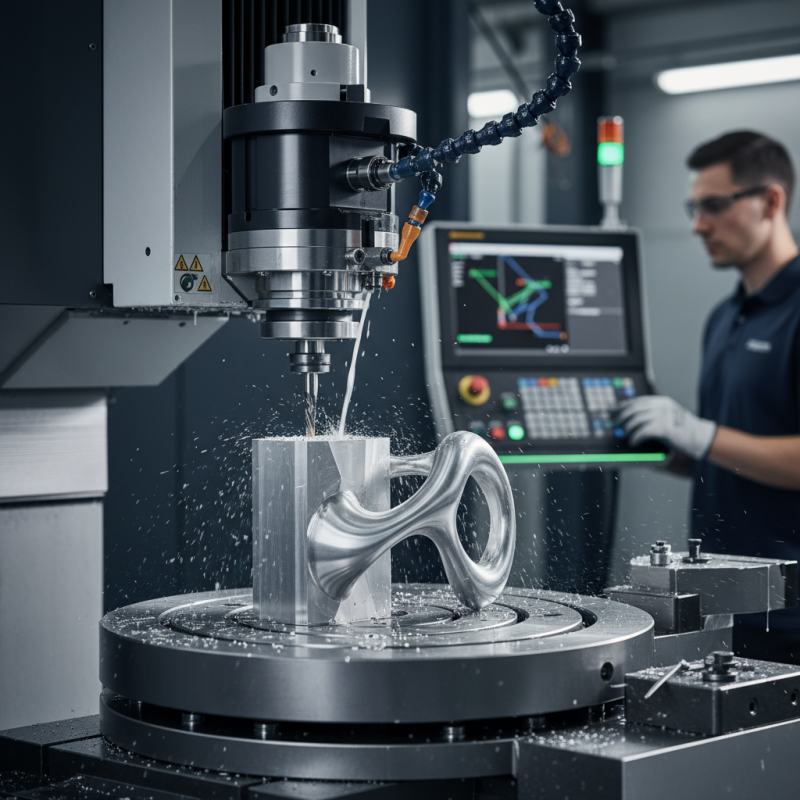
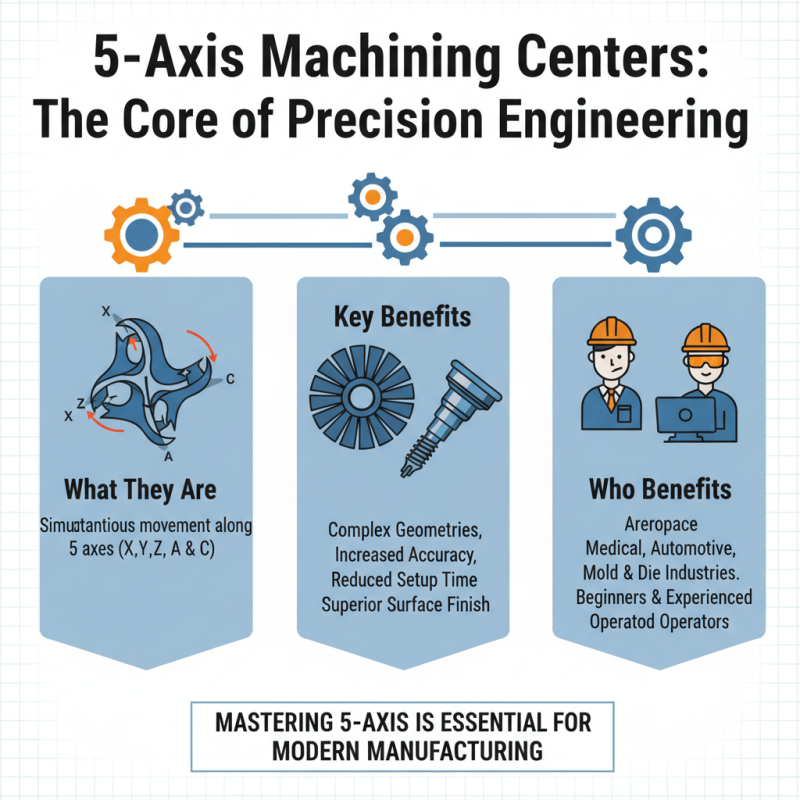
5 axis machining centers are crucial for precision engineering. They allow for complex geometries and intricate designs. Understanding their basics is vital for both beginners and seasoned operators.

These machines utilize a rotating tool head and a dynamic worktable. This combination enables machining on multiple sides of a workpiece in a single setup. According to a report by Industry Research, the 5 axis machining market is expected to reach $5 billion by 2025. This indicates a significant shift towards automation and advanced manufacturing techniques.

However, mastering these machines is not without challenges. Operators often struggle with setup procedures and toolpath programming. Mistakes are common, as it requires a keen understanding of both hardware capabilities and software applications. A study highlighted that over 30% of machining errors stem from improper setup. This highlights the need for ongoing training and a commitment to learning in the rapidly evolving landscape of 5 axis machining technology.
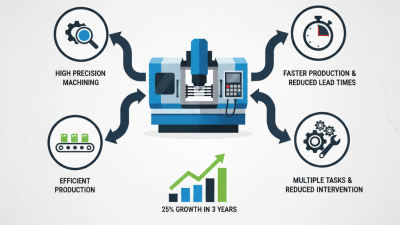
Key Techniques for Efficient Tool Path Planning

Efficient tool path planning is crucial for mastering 5-axis machining centers. According to a report by the International Journal of Advanced Manufacturing Technology, optimizing tool paths can reduce machining time by up to 30%. This efficiency not only saves time but also minimizes tool wear, translating to lower operational costs.

One strategy involves contouring and analyzing the model geometry thoroughly. Understanding the part's shape can lead to smarter tool positioning. For instance, use shorter tools on complex geometries to prevent deflection, which can affect precision. It’s vital to identify areas requiring more attention, such as tight corners or deep pockets. A focus on such details can significantly enhance machining accuracy.

While it’s essential to strive for efficiency, over-optimization may lead to skipped processes. For example, rushing can result in tool collisions or poor surface finishes. A balanced approach with regular reflection on the results is recommended. Continuous learning from each iteration serves as the backbone of innovation in machining techniques. Aiming for perfection should always be accompanied by a willingness to adapt strategies based on past experiences.

5 Essential Tips for Mastering 5 Axis Machining Center Techniques

Technique Description Advantages Common Applications
Optimized Tool Paths Utilizing algorithms to minimize tool movement. Reduces machining time and improves efficiency. Complex part manufacturing
Adaptive Machining Real-time adjustments based on material response. Enhances tool life and surface finish quality. Aerospace and automotive components
5 Axis Simultaneous Control Monitors all five axes simultaneously for precise control. Allows for complex geometries and reduced setups. Medical device manufacturing
Tool Path Verification Simulating the tool path before actual machining. Prevents collisions and optimizes tool usage. Prototype development
Fixture Design Creating custom fixtures for secure part holding. Improves accuracy and reduces setup time. High precision part machining

Essential Setup Procedures for 5 Axis Machining Operations

Mastering 5 axis machining requires precise setup procedures. Start by ensuring that your workpiece is securely mounted. A strong grip prevents shifts during cutting. The way you secure the workpiece can impact the final results. Take time to double-check this step.

Calibration is key. Use your machine’s built-in tools to calibrate each axis. Consider doing this more frequently if the machine runs often. Misalignment can happen. Regular checks can save you from wasted material and time.

Don't overlook the importance of tool selection. Choose the right tools based on the materials you are working with. Different materials require different approaches. If you're unsure, run a few test cuts first. This will help you gauge the effectiveness of your setup before proceeding.

Common Challenges in 5 Axis Machining and How to Overcome Them

5 Essential Tips for Mastering 5 Axis Machining Center Techniques?

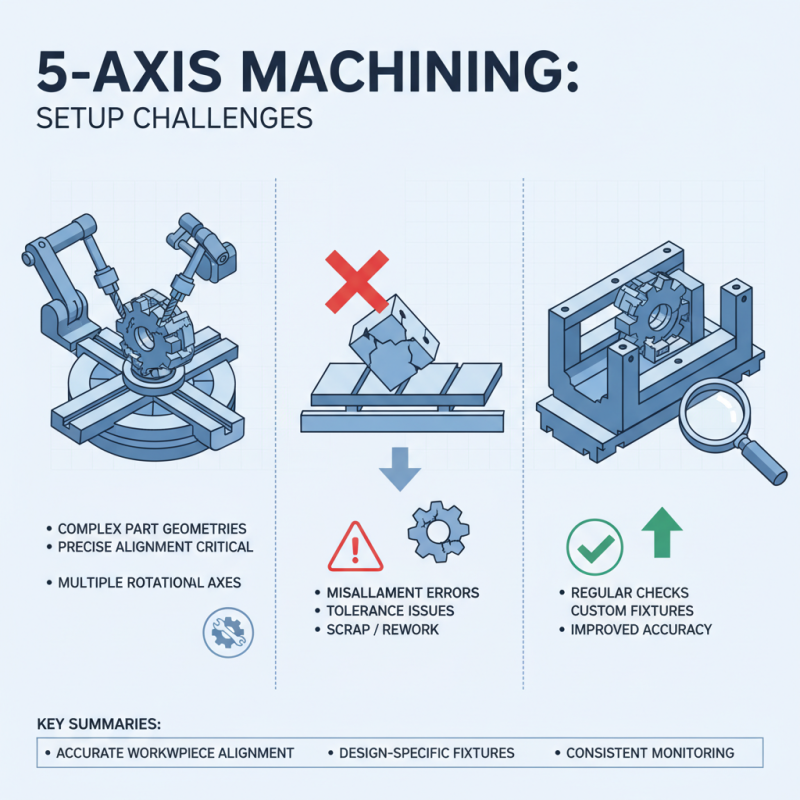
5 axis machining presents unique challenges that machinists must navigate. One common obstacle is the complexity of part setups. Aligning the workpiece accurately can be difficult. Even slight misalignments lead to errors. Regularly checking the setup can help. Using fixtures designed for specific parts reduces these issues.

Another challenge is tool access. Certain angles can restrict tool movement. This limitation may cause inefficient cutting paths. To counter this, planning the machining process is essential. Visualizing the entire operation can reveal hidden problems. Some machinists may overlook these aspects, leading to delays.

Dealing with tool wear is also a concern in 5 axis machining. As tools wear unevenly, precision diminishes. Monitoring tool performance closely is vital. However, this is often neglected during busy production runs. Adjusting tool paths and using high-quality tools can mitigate wear. Continuously refining these techniques can lead to better outcomes.

Best Practices for Maintaining Precision in 5 Axis Machining

Maintaining precision in 5-axis machining is crucial for achieving high-quality results. Regular maintenance of the machine is key. Check the spindle accuracy frequently. Ensure that the coolant system is functioning well. Keep the work area clean and free from debris. Small particles can cause significant errors in machining.

Equally important is tool management. Use the right tools for specific materials. Dull tools can compromise precision. Regularly inspect and replace worn-out tools. Properly calibrating the tools can make a major difference. Even slight misalignments can lead to larger issues down the line.

Don't overlook software reliability. Machining software needs updates. Sometimes, glitches happen. A simple software error can result in wasted materials and time. Regularly back up your settings. Validate the machining parameters before starting a new job. A small oversight can have big consequences. Remember, precision requires constant attention to detail.

5 Essential Tips for Mastering 5 Axis Machining Center Techniques

  • Address

    North of Industrial Road, Linqing Economic Development Zone,Liaocheng City, Shandong Province, China

  • Email

    info@lucimagnet.com

  • Phone/WhatsApp

    Angela:0086-13884742546
    Eric: 0086-15688878114

Get in touch with SLMN today. Whether you have questions about our CNC machine tools , or are interested in becoming a distributor, our team is ready to assist you.

© 2025 Shandong Linmo CNC Machine tool Equipment Co.,Ltd. All Rights Reserved.
Privacy Statement Terms & Conditions Sitemap

© 2025 Shandong Linmo CNC Machine tool Equipment Co.,Ltd. All Rights Reserved.

Privacy Terms & Conditions Sitemap