

Welcome to the SLMN Blog

Shandong Linmo CNC Machine Tool Equipment Co., Ltd.
Insights, Tips, and More from SLMN CNC Machine Tools

How to Choose the Best Milling Machine Center for Your Needs?

Choosing the right Milling Machine Center is crucial for your projects. The variety of options available can be overwhelming. Each machine comes with specific features, advantages, and drawbacks. Identifying your needs is essential.

Consider the type of work you will perform. Will it be heavy milling or intricate designs? Different machines excel in various areas. The size, power, and precision of the Milling Machine Center matter greatly. Researching brands and models can provide insights into reliability and performance.

Expert recommendations can guide your choice. Look for user reviews and expert opinions to understand common issues. Don’t ignore the importance of after-sales support. A good machine is not just about initial performance; it's about long-term reliability. Reflect on your priorities and make an informed decision for optimal results.
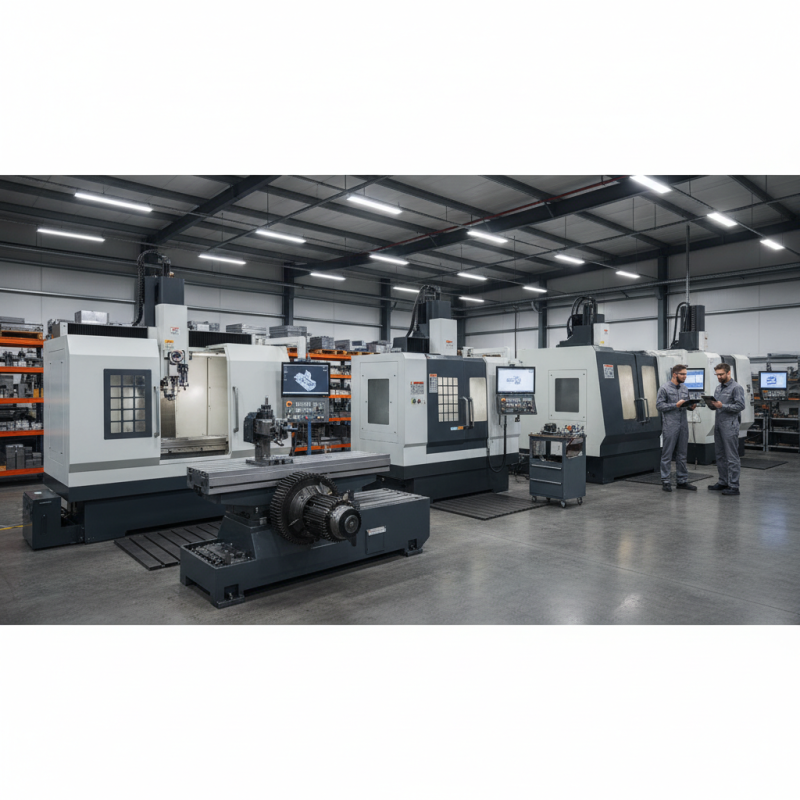
How to Choose the Best Milling Machine Center for Your Needs?

Understanding Your Milling Needs and Applications

When selecting a milling machine center, understanding your specific needs is crucial. Each application requires unique features, such as speed, precision, and adaptability. Take time to analyze your materials. Are you working with metal, wood, or plastic? The choice of milling machine can greatly influence your project outcomes.

Consider the types of jobs you will perform most often. Do you focus on prototypes or large-scale production? This affects both the size and power of the machine you need. Additionally, think about the complexity of your tasks. More intricate designs may require advanced capabilities. Reflect on your current setup and its limitations. Are your needs evolving?

Understanding your milling needs also includes evaluating your skill level. Beginners might benefit from machines with user-friendly interfaces. More experienced users may seek advanced features that allow deeper customization. Keep in mind that not all machines are created equal. Researching specifications and potential drawbacks will enhance your decision-making process. Assess how each machine matches your expectations and refine your choices accordingly.
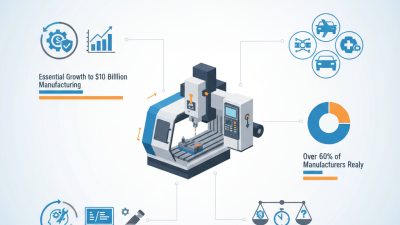
Comparative Analysis of Milling Machine Types

Key Features to Consider in a Milling Machine Center

When choosing a milling machine center, several key features demand attention. The first aspect is precision and accuracy. Industry reports indicate that a machine with a repeatability of ±0.005 mm is essential for high-quality outputs. These precision levels ensure that even complex components maintain strict tolerances. Investing in machines boasting higher accuracy will typically result in better overall performance.

Another crucial feature is the spindle power. Machines with at least 10 horsepower can handle tough materials like stainless steel, typically seen in aerospace applications. In fact, a survey by a manufacturing association revealed that 75% of machinists prefer spindle speeds exceeding 10,000 RPM for enhanced material removal rates. This data illustrates the importance of having the right power and speed, as low-horsepower machines might limit productivity, especially in high-demand operations.

Additionally, consider the machine’s versatility. Models that support multiple tool sizes and types can adapt to diverse projects. Research suggests that businesses with adaptable milling centers report a 30% increase in production efficiency. However, not all machines offer this flexibility. Therefore, careful evaluation of the specifications is important to avoid mismatches in production needs.

Assessing Machine Size and Capacity for Your Workspace

How to Choose the Best Milling Machine Center for Your Needs?

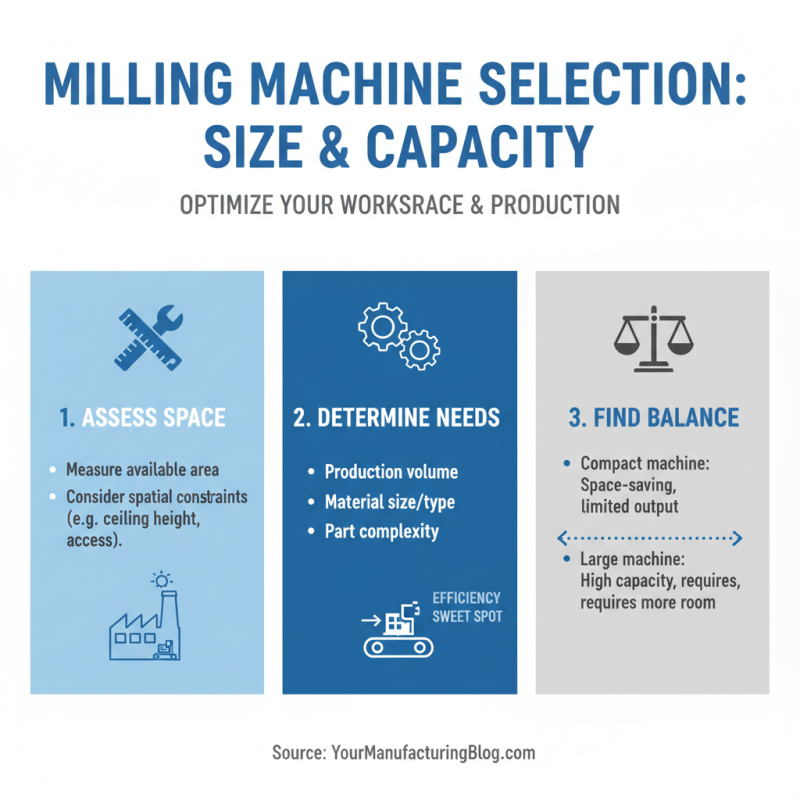
When considering the ideal milling machine center for your workspace, machine size and capacity play crucial roles. Start by assessing your available space. A compact area might restrict you to smaller machines. However, choosing a machine that is too small could limit your production capabilities. It’s a delicate balance to maintain.

Next, think about the tasks you’ll perform. Larger projects require machines with higher capacity. If your work involves hefty materials, a sturdier machine will serve you better. Be mindful of the limitations; undersizing could affect precision. While a larger machine may promise versatility, it could become a hindrance in a cramped environment.

Evaluate your local infrastructure as well. Can your space accommodate the weight and dimensions of the machine? This aspect often gets overlooked but is critical. Additionally, consider ease of access. Will there be enough room for maintenance? Oversizing can lead to difficulties in upkeep. Finding a milling machine that fits your project needs and workspace restrictions is essential.

Evaluating Precision, Speed, and Performance Metrics

When selecting a milling machine center, precision is paramount. A report from the Machinery Research Institute shows that a precision level of ±0.005 mm can significantly reduce production errors. Precision affects the final product quality. Even small inaccuracies can lead to defects. This can increase costs in corrections and delays.

Speed is another critical metric. A high-speed spindle, operating at over 15,000 RPM, can boost productivity. However, speed must not compromise quality. A study from the Machinery Standards Association found that optimal speed varies depending on the material. In some cases, slower speeds produce better surface finishes.

Performance metrics should be evaluated as well. This includes factors such as tool lifespan and energy consumption. The National Tooling and Machining Association reports that machines with efficient motors can reduce energy costs by 20%. Reflection on these metrics is essential. Some users may overlook the balance between speed and precision, leading to wasted resources.

Comparing Costs and Brand Reputation in Milling Machines

How to Choose the Best Milling Machine Center for Your Needs?

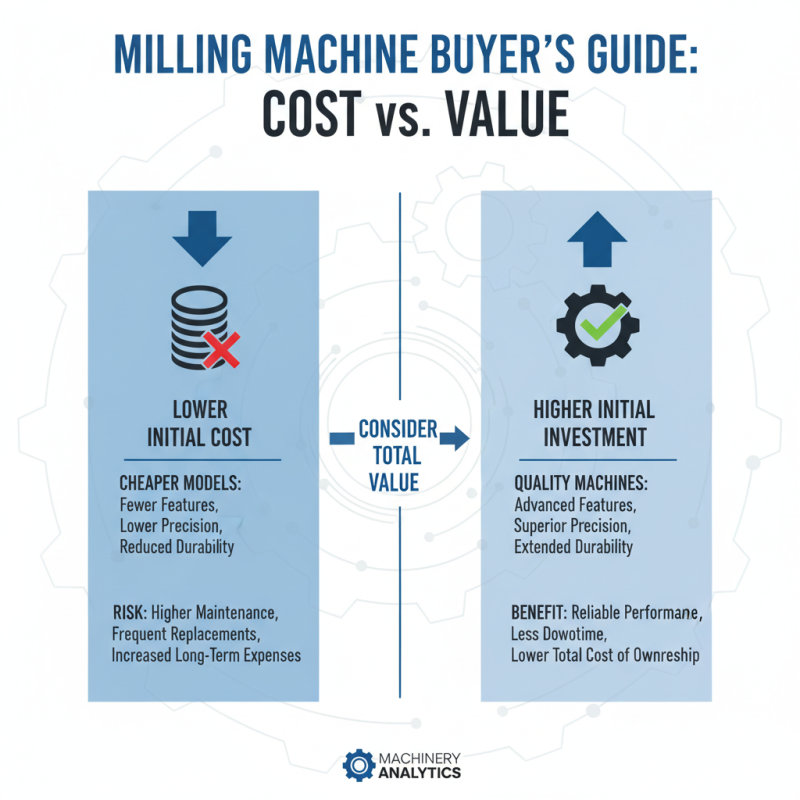
When evaluating milling machines, comparing costs is essential. A lower price may seem appealing, but it often comes with trade-offs. Look closely at the specifications. Cheaper models might lack critical features that enhance precision and durability. Keep in mind, savings on initial costs can lead to higher expenses over time due to maintenance or replacement needs.

Brand reputation matters significantly in the milling machine market. Established brands often have a history of reliability and customer satisfaction. Research user reviews and expert opinions online. Watch out for red flags in feedback, such as repeated issues. Gathering insights from trusted sources can reveal a lot about the brand's performance and customer service.

It's also important to consider your specific needs. Not every machine suits every purpose. A machine's capabilities should align with your projects. Sometimes, a well-known brand doesn't provide the best fit for your work. Assessing your requirements helps in making a more tailored decision. Balancing cost, reliability, and function is key.

  • Address

    North of Industrial Road, Linqing Economic Development Zone,Liaocheng City, Shandong Province, China

  • Email

    w.eric@lucimagnet.com

  • Phone/WhatsApp

    Eric: 0086-15688878114

Get in touch with SLMN today. Whether you have questions about our CNC machine tools , or are interested in becoming a distributor, our team is ready to assist you.

© 2025 Shandong Linmo CNC Machine tool Equipment Co.,Ltd. All Rights Reserved.
Privacy Statement Terms & Conditions Sitemap

© 2025 Shandong Linmo CNC Machine tool Equipment Co.,Ltd. All Rights Reserved.
Privacy Terms & Conditions Sitemap