

Welcome to the SLMN Blog

Shandong Linmo CNC Machine Tool Equipment Co., Ltd.
Insights, Tips, and More from SLMN CNC Machine Tools

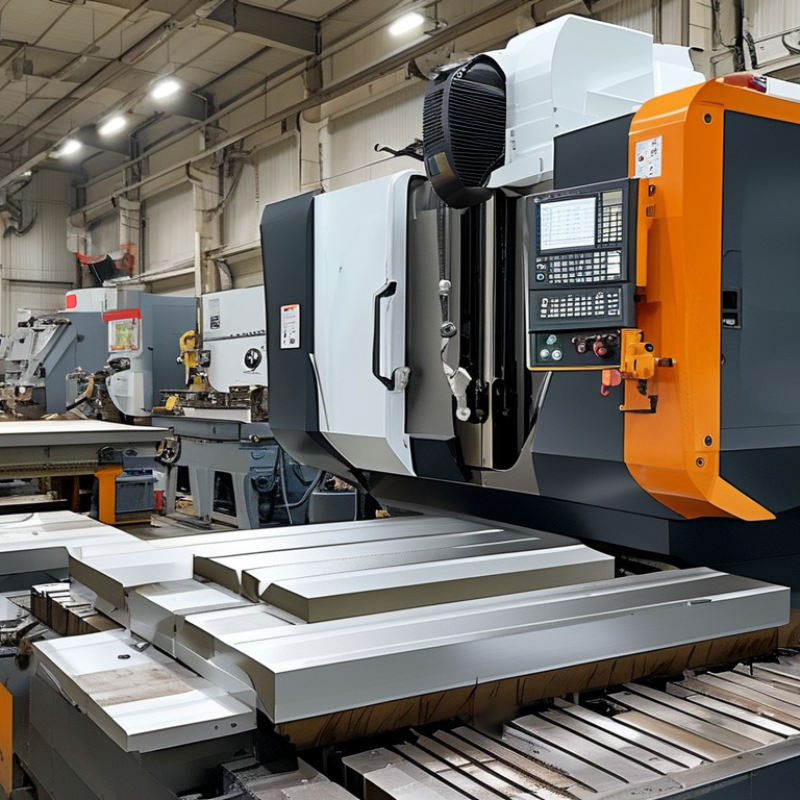
How to Choose the Best Horizontal Machining Center for Your Needs?

Choosing the right Horizontal Machining Center is crucial for maximizing production efficiency. According to industry expert Dr. Emily Zhao, “The right machine can transform your workflow.” She emphasizes the importance of understanding your specific needs to select the best equipment.

A Horizontal Machining Center can streamline operations by offering higher precision and better surface finishes. However, not all machines suit every application. Each sector demands unique specifications related to size, material, and production volume. It’s vital to consider these factors carefully before making an investment.

Many manufacturers rush their decision, leading to regret later on. Always ask: How will this machine serve my current and future projects? Reflect on your production goals and analyze what features matter most. Consulting specialists and gathering multiple opinions can pave the way to a smarter choice.
How to Choose the Best Horizontal Machining Center for Your Needs?

Understanding Your machining Needs and Applications

Choosing the right horizontal machining center begins with a clear understanding of your specific machining needs and applications. Every manufacturer has unique requirements based on their production scale and component complexity. According to a study by the Association for Manufacturing Technology (AMT), about 60% of manufacturers report that precise machining capabilities directly impact their operational efficiency. This statistic highlights the importance of aligning your machine choice with your production goals.

When considering applications, think about material types, tolerances, and part dimensions. For example, aerospace components may require advanced features like multi-axis capabilities, which provide increased efficiency. However, missing the mark on these needs can lead to costly mistakes. About 15% of companies expressed dissatisfaction with their machinery due to mismatched capabilities. This indicates a critical need for thorough assessment before making a purchase decision.

Avoid being swayed solely by brand reputation or price. Analyze your requirements comprehensively. Factors to consider include workload, part size, and required precision levels. Knowledge of these variables will ensure a better fit. Moreover, it's crucial to gather data from various sources and consult industry experts. A well-informed decision is less likely to lead to regrets.
Evaluating Key Features of Horizontal Machining Centers

When choosing a horizontal machining center, it's crucial to evaluate its key features. One significant aspect is the spindle speed. A high spindle speed allows for faster machining. However, it can also affect tool life. Some users may find that they prioritize speed over durability. This reflects a common dilemma in manufacturing: speed versus quality.

Another essential feature to consider is the size of the work envelope. A larger envelope accommodates bigger parts. But, larger machines can require more floor space and higher maintenance costs. It's vital to assess your specific needs here. Think about the types of projects you regularly undertake. Will a compact design provide you with the versatility needed without sacrificing performance?

Lastly, look at the control system of the machining center. A user-friendly interface can significantly improve operational efficiency. Yet, the complexity of features may overwhelm some operators. Training staff may be necessary. Balancing complexity with usability is key. A thoughtful approach will lead you to the machine that best fits your production goals.

Evaluation of Key Features in Horizontal Machining Centers

Comparing Different Brands and Models for Performance

When choosing a horizontal machining center, understanding performance across different brands is essential. Each model has distinct features that impact efficiency and precision. Focus on the operational speed and feed rate. These elements affect productivity and the quality of output. Some machines excel in high-speed operations, while others may prioritize fine detail.

Don’t overlook the size and weight of the machine. Heavier models often provide stability during operations, which can lead to more accurate results. However, a bulky machine may require more floor space and specific installation considerations. Think about how this fits into your workflow.

Also consider the control system. User-friendly interfaces can help reduce training times. Complexity can lead to errors. Seek models with intuitive software, as they can enhance overall performance. Explore reviews and user feedback as these insights can offer practical perspectives. Reflect on your specific machining needs, and remember that the best choice isn’t always the most popular model.

Assessing Cost vs. Quality in Purchase Decisions

When selecting a horizontal machining center, it's essential to weigh cost against quality. A low-cost option may seem attractive upfront. However, long-term reliability often correlates with higher-quality machinery. Cheaper machines can result in more downtime and costly repairs.


Investing in quality can enhance productivity and extend the lifespan of your equipment. Examine the specifications closely. Features like effective chip removal and coolant systems matter tremendously. They can minimize operational challenges and optimize performance.


It is important to consider your specific needs. Each operation has different demands. Invest time in researching manufacturers and user reviews. This research fosters informed decisions. Sometimes, the most economical choice isn't the best for your operation's requirements.

Balancing cost with quality requires careful reflection and analysis.

Considering Maintenance and Support Options for Longevity

Choosing the right horizontal machining center is not just about initial costs. Maintenance and support options significantly impact its longevity and efficiency. Regular maintenance is crucial. Proper upkeep minimizes downtime and costly repairs, allowing for consistent operation. A well-maintained machine can last for years, providing reliable service when you need it most.

Consider the support options available from manufacturers. Quick access to technical assistance and spare parts is essential. It can save you time and frustration when issues arise. Some centers offer 24/7 support, which can be very beneficial. However, ensure that your chosen machine aligns with your maintenance capabilities. Overlooking this aspect may lead to increased long-term operational costs.

Bear in mind, no machine is perfect. Many factors can affect performance over time. Even the best equipment may require adjustments. Reflect on your specific needs and how often you can conduct maintenance. This reflection can guide you toward a choice that sustains productivity while fitting your operational capacity. Balancing these factors is key to achieving long-term success.

  • Address

    North of Industrial Road, Linqing Economic Development Zone,Liaocheng City, Shandong Province, China

  • Email

    w.eric@lucimagnet.com

  • Phone/WhatsApp

    Eric: 0086-15688878114

Get in touch with SLMN today. Whether you have questions about our CNC machine tools , or are interested in becoming a distributor, our team is ready to assist you.

© 2025 Shandong Linmo CNC Machine tool Equipment Co.,Ltd. All Rights Reserved.

Privacy Statement Terms & Conditions Sitemap

© 2025 Shandong Linmo CNC Machine tool Equipment Co.,Ltd. All Rights Reserved.

Privacy Terms & Conditions Sitemap