

How to Choose the Best 5 Face Machining Center for Your Needs?
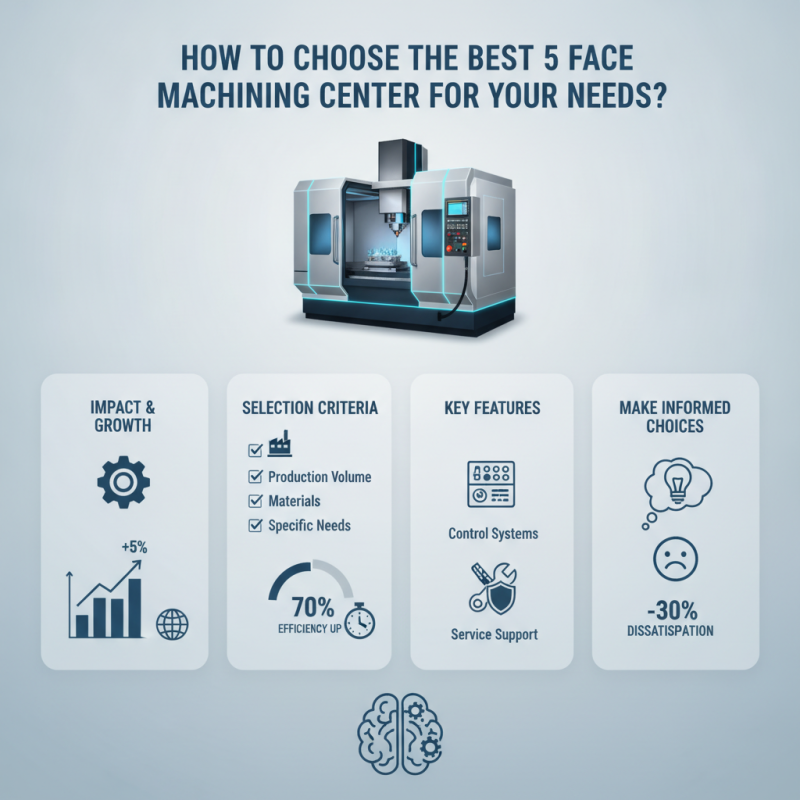
Choosing the right 5 Face Machining Center can significantly impact your manufacturing process. With advances in technology, these machines have gained recognition for their versatility. A report by the Association for Manufacturing Technology highlights a projected growth of 5% in the machining center market over the next five years. This growth signals the increasing importance of precision in manufacturing.
Selecting the ideal 5 Face Machining Center requires careful consideration. It's crucial to assess your specific needs, production volume, and the materials you'll be working with. According to a survey by Machinery Manufacturers Association, 70% of manufacturers report improvements in efficiency after adopting advanced machining centers. Yet, not all centers offer the same capabilities.
Buyers often overlook essential features when making decisions. Understanding the control systems, tool capacity, and service support plays a vital role. Up to 30% of users express dissatisfaction in their purchases, highlighting the need for thorough research. Investing time in understanding these elements is essential for making an informed choice that aligns with your production goals.
Understanding Face Machining Centers: Key Features and Functions
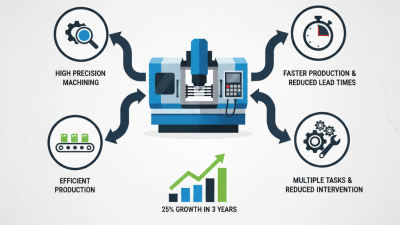
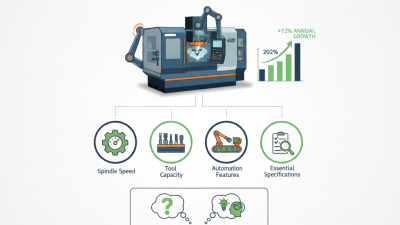
Face machining centers play a crucial role in modern manufacturing. They streamline the process of shaping materials for precision. A key feature to consider is the spindle speed. Higher speeds enable faster machining, increasing productivity. However, too much speed can lead to wear and tear. It's vital to find a balance that suits your specific needs.
Another important aspect is the tooling options available. A versatile face machining center offers compatibility with various tooling systems. This flexibility allows operators to handle diverse projects. However, users must be cautious about using the wrong tools. They risk damaging both the tools and the workpiece. It’s essential to thoroughly understand the tool requirements for each job.
Lastly, consider the center’s ease of use and maintenance. User-friendly interfaces and reliable safety features enhance operational efficiency. However, not all systems prioritize these aspects. Continuous learning and adaptation are necessary to optimize machine usage. Reflecting on past experiences can lead to better choices in the long run. Knowing your specific needs will guide you in selecting the best face machining center for your operations.
Assessing Your Manufacturing Needs for Face Machining Centers
When selecting a face machining center, it's crucial to assess your manufacturing needs. Understanding your production volume, material types, and specific machining tolerances is key. According to a recent industry report, more than 50% of manufacturers face challenges due to inadequate machinery that doesn’t meet their specific needs.
Understand your production scope. Are you producing low or high volumes? This decision influences the type of face machining center you will need. For instance, higher production demands require machines that can operate efficiently with less downtime. Look for centers with robust automation features. They tend to enhance productivity significantly.
Tip: Evaluate your material types before making a choice. Certain machining centers excel with specific materials. Your machining tolerances directly affect quality. Keep in mind that models designed for precision may not handle bulk production well.
In addition, technology plays a vital role. Industry trends show that integrating advanced software can increase accuracy and efficiency. However, over-reliance on technology can lead to negligence in maintenance, impacting overall performance. Striking a balance is essential.
Comparing Leading Brands and Models in Face Machining Centers
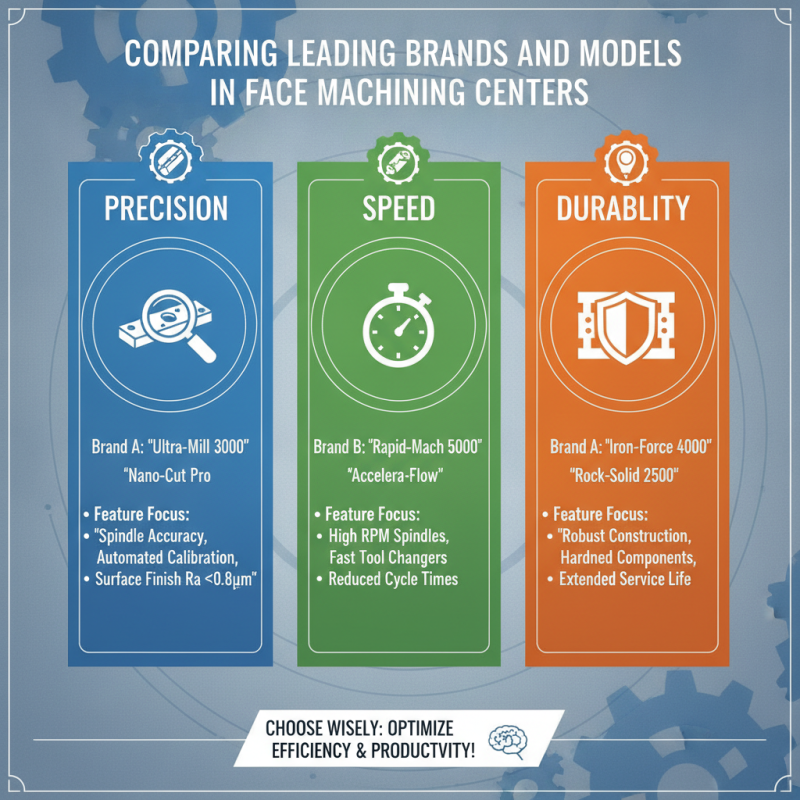
When exploring face machining centers, it's essential to compare various brands and models. Different machines have unique features that cater to specific machining needs. Understanding these can make a significant difference in efficiency and productivity. Each model has its strengths, often revolving around precision, speed, and durability.
Evaluating leading brands requires a look at user feedback and expert reviews. Many users appreciate the reliability and performance of certain models. However, some may struggle with specific functionalities, indicating a gap between expectation and performance. It’s important to gather information from various sources, including industry experts and real-world users, to form a well-rounded view.
Another aspect to consider is the machine’s adaptability for different tasks. Some centers excel in handling complex shapes, while others may offer better finishing capabilities. Further, features such as tool change speed and software integration play crucial roles. Keeping an eye on these details will help ensure the selected machining center aligns with your operational needs.
Evaluating Budget and Cost-Effectiveness of Face Machining Centers
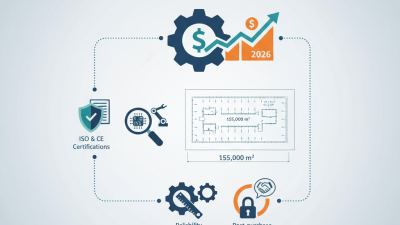
When evaluating budget and cost-effectiveness for face machining centers, identifying your specific needs is crucial. Start by outlining the types of materials you will work with. Different machines excel at machining specific materials. It's not just about the purchase price; consider the operating costs as well. Maintenance, tooling, and energy consumption all add up over time.
**Tips:** Research the long-term costs associated with parts and repairs. Also, check if the machine's efficiency can positively impact your workflow. A cheaper upfront cost might lead to higher expenses later.
Assessing your budget means understanding all potential expenses. It’s easy to focus solely on the initial investment. However, the hidden costs often create significant financial strain. Factor in potential downtime due to machine inefficiencies. You may save initially but lose productivity.
**Tips:** Create a comprehensive budget that factors in every aspect of ownership. Look for machines with warranties or service contracts. This can save money and stress about future repairs. Always evaluate your needs against features to avoid buying extra capabilities you may never use.
Cost-Effectiveness of Face Machining Centers