How to Choose the Best CNC Universal Machining Center for Your Needs?
When selecting the right CNC Universal Machining Center, various factors come into play. Renowned expert Dr. Jane Mitchell states, "A well-chosen CNC Universal Machining Center can significantly boost productivity." Her insight highlights the importance of careful consideration in the selection process.
CNC Universal Machining Centers are crucial in modern manufacturing. With the right features, they enhance precision and efficiency. However, understanding the specific abilities of different models can be challenging. Many buyers focus solely on price, neglecting other critical aspects, such as machine versatility and build quality.
Buyers must evaluate their unique requirements. Questions about material types and production volume are essential. A deeper reflection on user experience can lead to better decision-making. The CNC Universal Machining Center you choose should align with your present and future needs. It's a significant investment, so thoughtful planning is crucial.
Understanding CNC Universal Machining Centers and Their Applications
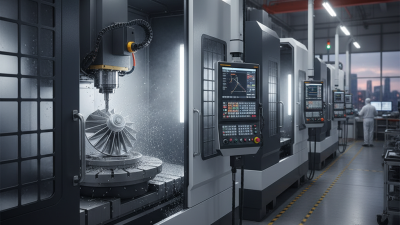
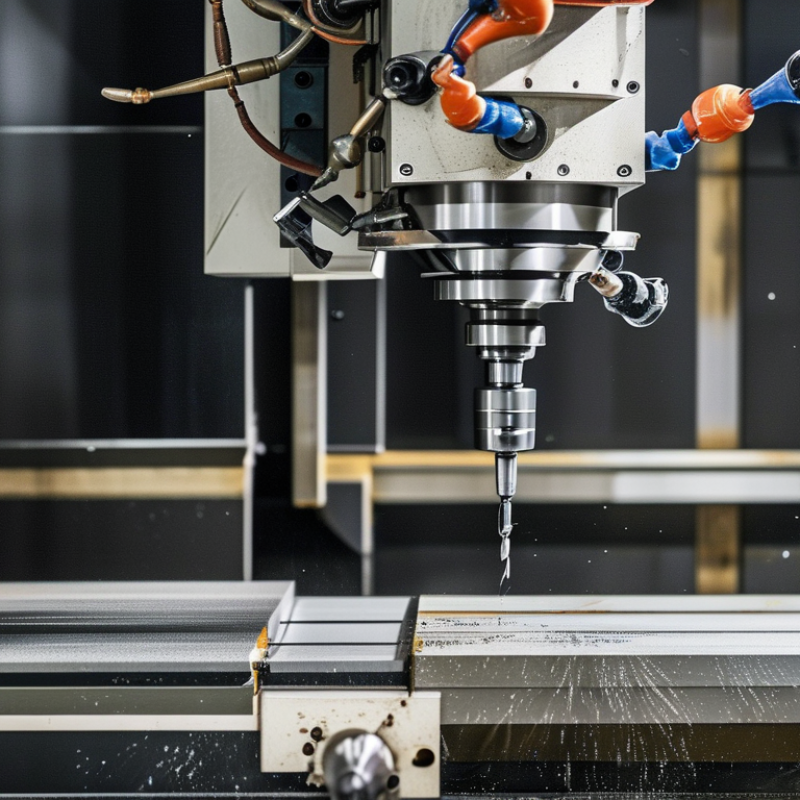
CNC universal machining centers are versatile tools in manufacturing. They combine milling, turning, and drilling into one machine. This flexibility is essential for various industries, from aerospace to automotive. By understanding their capabilities, you can select the right center for your specific needs.
These machines excel in producing complex parts with high precision. The ability to handle multiple operations reduces setup time. However, not all CNC centers have the same features. Some may lack the necessary travel space or spindle speed for larger components. Therefore, it’s crucial to assess the specific requirements of your projects before making a purchase.
Often, manufacturers focus on cost rather than capabilities. This can lead to underperformance and increased downtime. It's important to evaluate the long-term benefits of investing in quality equipment. Reflecting on past experiences can help identify the best fit. Avoid choosing just by brand popularity; functionality matters more in the long run.
Key Factors to Consider When Selecting a CNC Machining Center
When selecting a CNC universal machining center, consider your specific needs. The type of materials you work with plays a crucial role in your decision. Different materials require different machining capabilities. For instance, softer materials might need less robust machinery compared to harder metals. The rigidity and strength of the CNC machine can greatly impact the quality of your work.
Another key factor is the machine's versatility. A machine capable of multiple functions can save you both time and money. Look for a center that offers various configurations like milling and turning in one setup. This can enhance efficiency but may also create complexity in operations. Make sure to analyze whether your team is equipped to handle advanced features.
Don’t overlook software compatibility. The CNC machining center should integrate well with your existing design software. Poor software integration can lead to workflow disruptions. Additionally, consider the learning curve for operators. A user-friendly interface is important for quick training. Reflect on these aspects to ensure you make an informed choice that meets your production goals effectively.
Comparing Different Types of CNC Universal Machining Centers
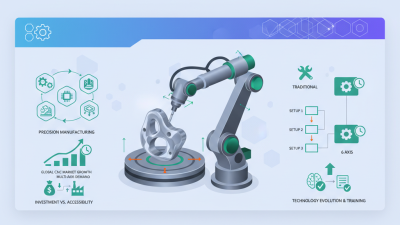
When selecting a CNC universal machining center, it's vital to compare the various types available. Understanding their differences can lead to better decisions based on operational needs. These centers are categorized into three main types: vertical, horizontal, and multi-tasking. Each type has its unique strengths and is suited for specific applications.
Vertical machining centers are popular in job shops. They excel at maneuvering complex shapes and tight tolerances. Reports show that about 35% of machining operations utilize vertical centers due to their versatility.
Horizontal machining centers, on the other hand, offer improved chip removal and can handle larger workpieces. They are often chosen for high-volume production. According to industry statistics, these machines can increase productivity by up to 30% when properly utilized.
Multi-tasking centers combine milling and turning processes, making them suitable for complex components. Their adoption is steadily rising, with a reported growth rate of 17% annually in recent years. However, they require skilled operators and careful programming. Not every shop is ready for that level of complexity. Ultimately, selecting the right center involves weighing the pros and cons of each type against your specific manufacturing requirements.
Evaluating Manufacturer Reputation and Customer Support Services
Evaluating manufacturer reputation and customer support services is crucial when selecting a CNC universal machining center. A reputable manufacturer typically has a track record of producing quality machines. Research online reviews and testimonials. Check platforms that focus on industrial equipment. This can provide insights into customer satisfaction.
Tips: Talk to other users. Their experiences can guide your decision. Ask about reliability and issue resolution. A manufacturer with strong customer support can save you time and money down the line.
Look for manufacturers who offer training and assistance. Sometimes, technical support may be limited after the purchase. Assess the available resources for troubleshooting and maintenance. Reliable support can help you maximize your machine's potential.
Tips: Ensure you have access to manuals and online resources. Don’t hesitate to reach out to the manufacturer before you buy. This can reveal their commitment to customer service. Measure their responsiveness when you have questions. It's a good indicator of support post-purchase.
Budgeting for Your CNC Universal Machining Center Purchase
Budgeting for a CNC Universal Machining Center is crucial. Understand your needs before making any decisions. Assess how often you will use the machine. Will it be for prototyping or mass production? This can greatly impact your budget.
Consider not just the purchase price, but also maintenance and operation costs. A lower initial cost might mean higher long-term expenses. Compare energy efficiency and tooling costs. These factors can affect your overall spending.
It’s wise to set aside a portion for unexpected repairs. Be realistic about your financial limits. Sometimes it may be tempting to stretch your budget for a high-end model. However, this can lead to financial strain. Think long-term and ensure your choice aligns with your company’s growth.