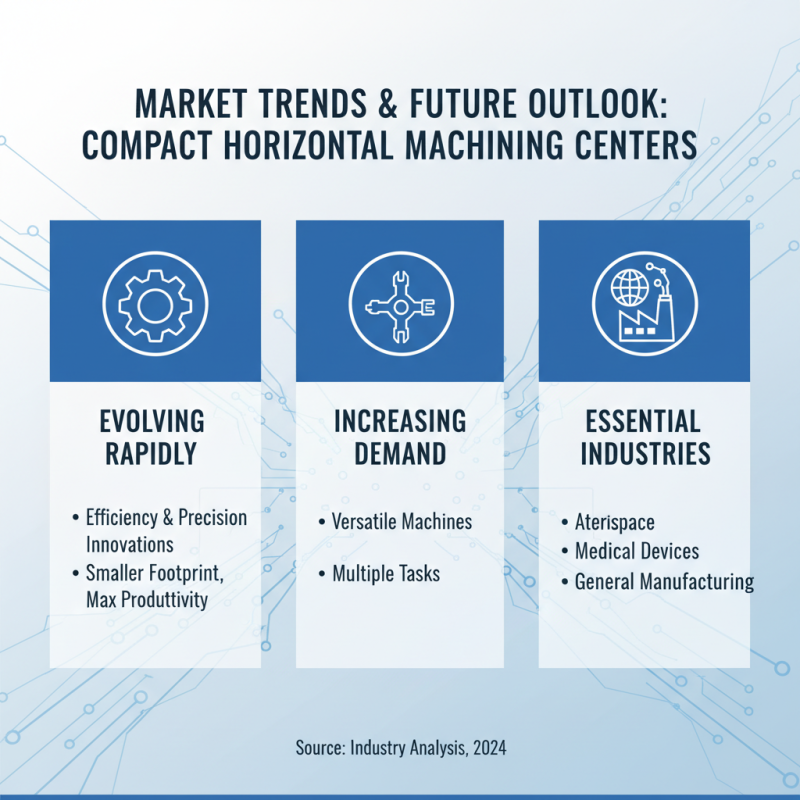


The Compact Horizontal Machining Center has transformed the manufacturing landscape, offering efficiency and precision that traditional models often lack. According to a report by the Association for Manufacturing Technology, the market for compact machining centers is projected to grow by 12% annually through 2026. This growth highlights the increasing demand for compact solutions in various manufacturing sectors.
Expert insights confirm this trend. Dr. James Carter, a leading researcher in manufacturing technology, stated, "The Compact Horizontal Machining Center is a game changer, enhancing productivity without occupying excessive floor space." This sentiment resonates with manufacturers facing space limitations while striving for optimal production efficiency.
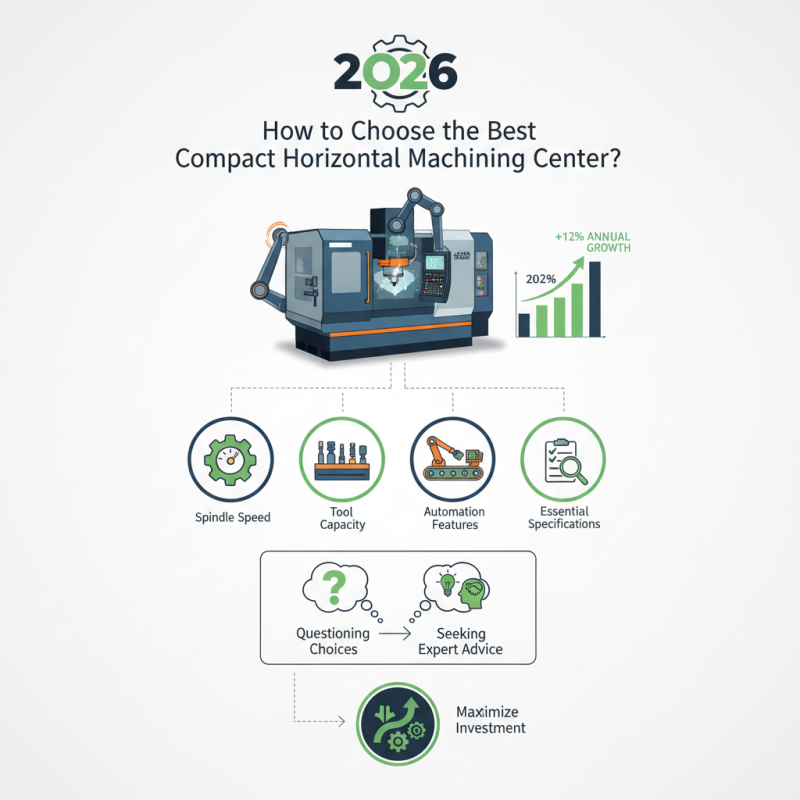
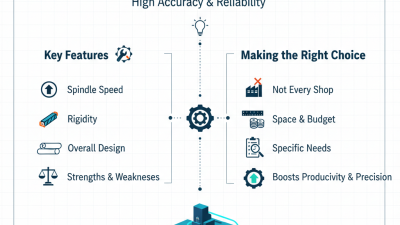
Selecting the right Compact Horizontal Machining Center is crucial. Factors like spindle speed, tool capacity, and automation features can affect performance. However, many buyers overlook essential specifications. Questioning choices and seeking expert advice can lead to better outcomes. With careful consideration, manufacturers can harness the full potential of these machines, maximizing their investments in a competitive industry.
Choosing the right compact horizontal machining center involves several key factors. One crucial aspect is the machine’s precision. Precision impacts the overall quality of the finished product. Look for centers with minimal deviation and tight tolerances. It’s essential to analyze the specifications closely.
Another factor to consider is the machine’s size and footprint. Compact machining centers are designed to save space, but this can limit part size. Evaluate your specific needs. Ensure the selected model can accommodate your largest workpieces while fitting seamlessly into your workspace.
Additionally, the ease of operation is vital. User-friendly controls enhance productivity and reduce training time. Even experienced operators may struggle with complicated interfaces. Seek machines with intuitive controls. It’s also wise to reflect on future needs. Will your production scale up? Consider how adaptable the machine is to changing requirements. Balancing all these factors can be challenging, but thorough research and evaluation are crucial.
| Factor | Description | Importance Level | Rating Scale (1-5) |
|---|---|---|---|
| Size and Footprint | Overall dimensions and space required for installation. | High | 4 |
| Weight Capacity | Maximum load the machine can handle safely. | High | 5 |
| Precision and Accuracy | Tolerance levels achievable during machining. | Very High | 5 |
| Control System | Type of software and user interface provided. | Medium | 3 |
| Maintenance Requirements | Frequency and ease of maintenance needed. | Medium | 3 |
| Cost Efficiency | Initial cost vs. expected output quality. | High | 4 |


North of Industrial Road, Linqing Economic Development Zone,Liaocheng City, Shandong Province, China
w.eric@lucimagnet.com
Eric: 0086-15688878114
Surface Grinder Machining Center CNC Lathe Machine Boring and Milling Machines
Semiconductor Optics Automobile Molding Construction Machinery Shipping Aerospace Valve Industry Wind Power Industry Abrasives Industry Refractory Industry Ceramic Seal Industry Bearings Industry
Company Patent Certificates Factory Tour Team Member Our Partner Our History Real-time Factory Inspection R&D Strength Terms & Conditions Privacy Statement


© 2025 Shandong Linmo CNC Machine tool Equipment Co.,Ltd. All Rights Reserved.