

Welcome to the SLMN Blog

Shandong Linmo CNC Machine Tool Equipment Co., Ltd.
Insights, Tips, and More from SLMN CNC Machine Tools

10 Best Milling Machine Centers for Precision Engineering?

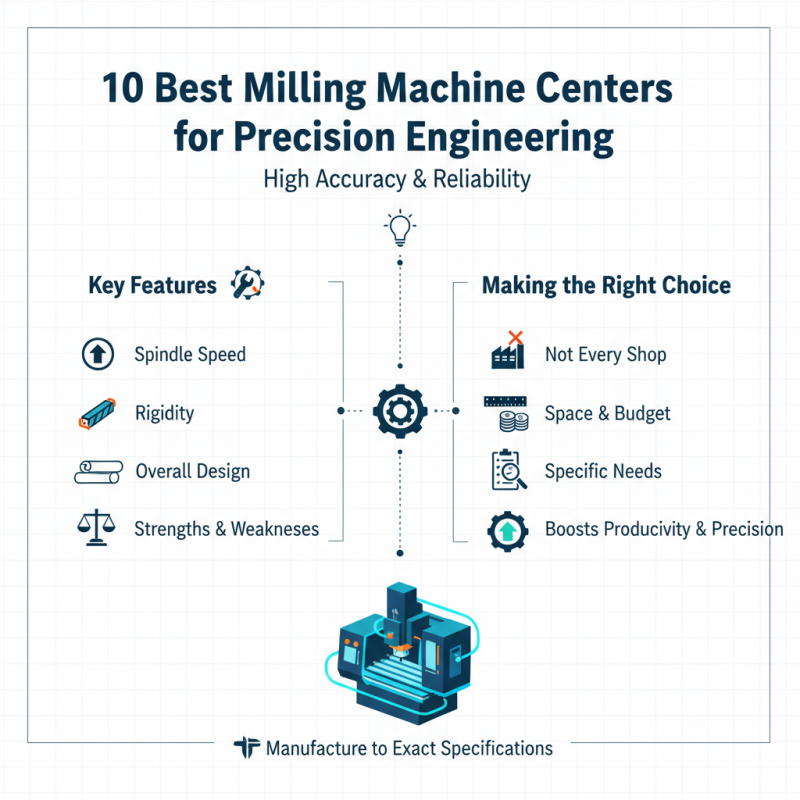
Precision engineering demands high accuracy and reliability. A top-tier Milling Machine Center can meet these needs effectively. These machines are essential in various industries. They ensure that components are manufactured to exact specifications.

When choosing a Milling Machine Center, understanding features is crucial. Factors include spindle speed, rigidity, and overall design. Each machine has strengths and weaknesses. Identifying them helps in making informed decisions.

Moreover, many models may not fit every shop. Space and budget constraints often limit options. It’s vital to reflect on specific needs. The right Milling Machine Center can significantly enhance productivity and precision.
10 Best Milling Machine Centers for Precision Engineering?

Top Features to Look for in a Milling Machine Center

When selecting a milling machine center for precision engineering, several key features come into play. One major factor is the machine’s rigidity. A stiffer machine tends to deliver better precision. According to industry data, a 15% increase in rigidity can result in a 12% improvement in accuracy. This is essential for high-tolerance projects.

Another critical feature is the spindle speed. Faster spindles enhance productivity significantly. Reports indicate that machines with spindle speeds exceeding 10,000 RPM can increase machining efficiency by up to 30%. However, this can lead to overheating issues, which require adequate cooling systems to maintain performance.

Tool change time is also vital. A center that reduces the time to change tools can optimize workflow. Data shows that centers with automated tool changers can cut idle time by up to 40%. This is impressive, yet not all systems work seamlessly. Manual interactions may still be necessary, leading to potential delays. Balancing these features appropriately is key to achieving optimal results in milling operations.

10 Best Milling Machine Centers for Precision Engineering

Model Max Torque (Nm) Speed Range (RPM) Table Size (mm) Weight (kg)
Model A 150 100-5000 600 x 200 800
Model B 120 80-4000 550 x 250 750
Model C 170 100-6000 700 x 300 900
Model D 200 50-5400 800 x 350 1000
Model E 190 60-4800 750 x 400 950

Types of Milling Machine Centers for Precision Engineering

10 Best Milling Machine Centers for Precision Engineering?

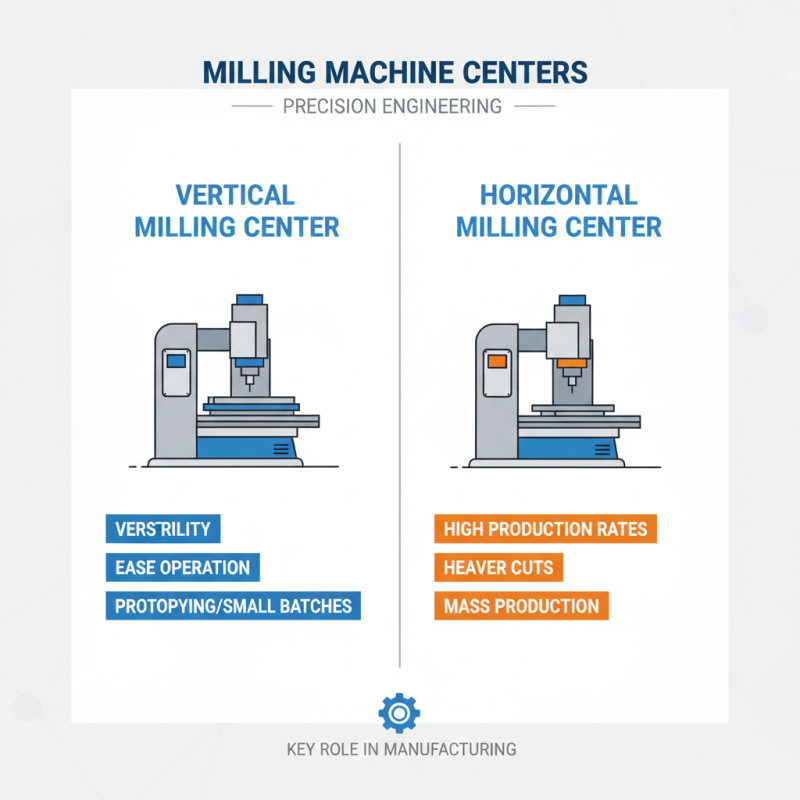
Milling machine centers play a crucial role in precision engineering. Different types serve specific purposes. Most notably, vertical and horizontal milling centers are widely used. Vertical centers excel in versatility and ease of operation. Horizontal machines typically offer higher production rates.

Data from the Precision Engineering Journal highlights that vertical milling centers make up approximately 70% of the market. Their adaptability allows for various tasks, like drilling and tapping. However, they often lack the speed of horizontal centers. Horizontal milling machines are preferred for heavier, bulk-material tasks. They provide better chip removal and maintain better rigidity under stress.

Many companies struggle with the high initial costs and maintenance of advanced milling centers. The learning curve for operating complex systems can be steep. As a result, some engineers may experience inefficiencies. It’s vital to choose the right type based on project requirements. In some cases, the wrong choice can lead to increased waste and production delays. Balancing cost, efficiency, and precision remains a challenge.

Key Benefits of Using Precision Milling Machines in Manufacturing

Precision milling machines play a crucial role in modern manufacturing. They ensure accuracy and high-quality output. The ability to create intricate designs is important for various industries, including aerospace and medical devices. Precision machines can cut materials with great finesse, achieving tolerances as tight as a few microns.

Using these machines leads to significant time savings. They reduce the need for manual adjustments. Workers can focus on monitoring machine output instead of constant tweaking. This efficiency often translates to reduced production costs. However, some shops may struggle with the initial investment. Not every facility can afford cutting-edge technology.

Another notable benefit is the consistency they provide. Repeated tasks yield the same results, minimizing variations. Yet, it is essential to consider operator training. Skilled workers are necessary to maximize machine potential. Inadequate training can lead to costly mistakes. So, while the investment in precision machines is beneficial, it is not without challenges.

Important Brands and Models of Milling Machine Centers Available Today

In the realm of precision engineering, choosing the right milling machine center is crucial. Many brands offer various models, each catering to specific needs. Features like spindle speed, precision, and durability often vary. This diversity can complicate choices for engineers.

When evaluating options, keep in mind the material you'll be working with. Lighter materials may need different specifications compared to heavier ones. Pay attention to machine stability. A stable machine ensures better precision. Analyze user reviews to gauge the actual performance of different models.

Tips: Always request a demonstration to see the machine in action. This can unveil potential issues. Don't hesitate to ask about warranty and support. A good warranty reflects manufacturers’ confidence in their products. Explore financing options as well; it may ease your budget constraints. Remember, thorough research goes a long way in making an informed decision.

Top 10 Milling Machine Centers Performance Ratings

Maintenance Tips for Enhancing the Longevity of Milling Machines

Proper maintenance is crucial for maximizing the lifespan of milling machines. Regular cleaning is one of the simplest yet often overlooked tasks. Dust and debris can build up quickly, affecting performance. Ensure every corner is clean, especially around the spindle and motor. Use a soft brush or compressed air to clear out hard-to-reach areas.

Lubrication is another key aspect. Applying the right lubricant at regular intervals keeps moving parts functioning smoothly. Check for signs of worn and tear on the machine's components. Worn parts can lead to larger issues if not addressed promptly. Pay attention to the bearings and lead screws, as they are critical for precision.

Operator training is equally important. An untrained operator may not respect the machine’s limits. They might push it beyond its capabilities, leading to damage. Encourage operators to understand the machine’s specifications and limitations. This knowledge can help prevent costly repairs and unplanned downtime. Every small detail matters in maintenance, and awareness can lead to improved overall performance.

  • Address

    North of Industrial Road, Linqing Economic Development Zone,Liaocheng City, Shandong Province, China

  • Email

    info@lucimagnet.com

  • Phone/WhatsApp

    Angela:0086-13884742546
    Eric: 0086-15688878114

Get in touch with SLMN today. Whether you have questions about our CNC machine tools , or are interested in becoming a distributor, our team is ready to assist you.

© 2025 Shandong Linmo CNC Machine tool Equipment Co.,Ltd. All Rights Reserved.
Privacy Statement Terms & Conditions Sitemap

© 2025 Shandong Linmo CNC Machine tool Equipment Co.,Ltd. All Rights Reserved.

Privacy Terms & Conditions Sitemap