What Is the Best CNC Double Column Machining Center in 2026?
What Is the Best CNC Double Column Machining Center in 2026?
Choosing the best Cnc Double Column Machining Center in 2026 requires more than comparing spindle speed. A machine may promise 24,000 rpm, yet still struggle with a 1,200-millimeter steel plate. Buyers should examine rigidity, thermal stability, table accuracy, control integration, service response, and lifetime operating cost.
The market is expanding. Fortune Business Insights valued the global CNC machine market at approximately USD 83.99 billion in 2023. Its report projects continued growth through 2032, driven by automation, aerospace production, electric vehicles, and complex metal components. Grand View Research also identifies rising demand for multi-axis systems and digitally connected machining equipment. However, these reports usually group double-column machines with broader CNC categories. That limitation matters.
The best choice depends on the workpiece, not the brochure.
Professor Yusuf Altintas, a leading machining researcher, states in Manufacturing Automation, “The main objective of machining is to achieve high productivity with required quality.” That principle remains practical on a factory floor. A rigid gantry, stable guideways, and intelligent tool monitoring can reduce vibration around deep pockets and large mold surfaces. Yet no specification guarantees performance. Installation quality, operator skill, coolant control, and preventive maintenance can quietly decide the result.
This guide compares leading 2026 options using measurable criteria, field experience, and manufacturer evidence. Some conclusions may remain imperfect. Data sheets rarely reveal long-term accuracy after thousands of cutting hours. That is where careful questioning begins.
What Defines a CNC Double Column Machining Center?
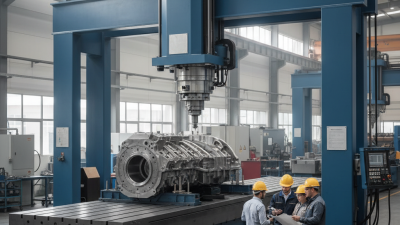
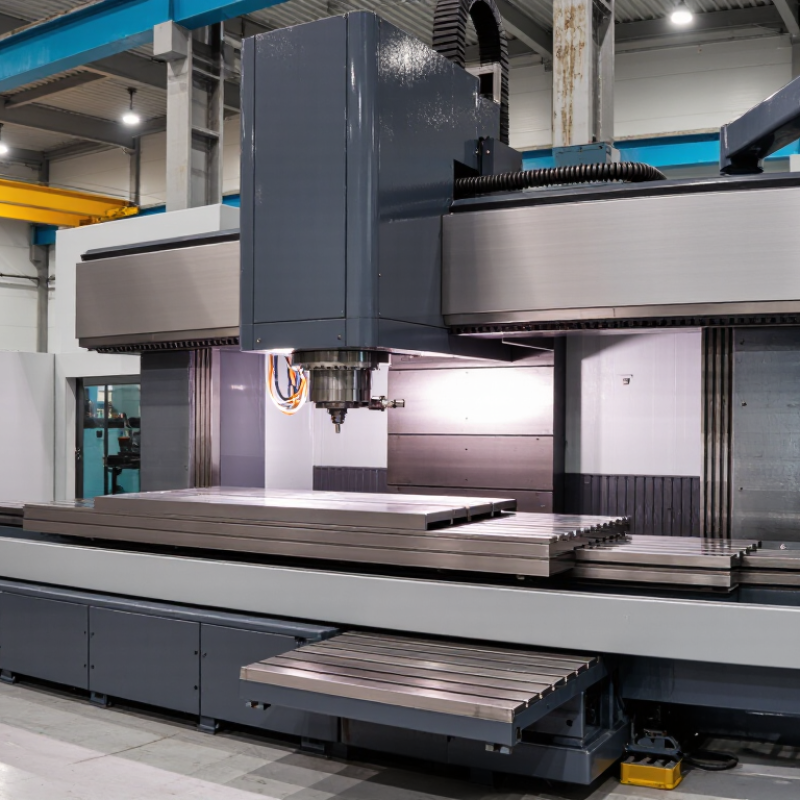
A CNC double column machining center is defined by its structure, not its nameplate. Two vertical columns support a crossrail, creating a rigid bridge above the worktable. The spindle travels across this bridge, while the table or workpiece moves along the longitudinal axis. This layout suits large molds, energy components, and heavy steel parts. It also reduces deflection compared with many single-column designs, although rigidity depends on casting quality, guideways, and joint design.
The machine’s real identity appears during cutting. A credible model should maintain stable accuracy under high loads, control thermal growth, and evacuate chips from deep cavities. ISO 230-2 provides methods for testing positioning accuracy and repeatability; these tests should be reviewed, not merely advertised. Grand View Research estimated the global CNC machine market above 80 billion U.S. dollars in 2023, showing strong demand for automated metalworking equipment. Yet market growth does not prove every large machine is suitable.
Look at measurable details. Check table load, spindle torque, crossrail stiffness, axis acceleration, and volumetric accuracy. A 2024 International Federation of Robotics report recorded 541,302 industrial robot installations worldwide in 2023. That figure reflects wider factory automation, where machining centers increasingly exchange data with handling systems. Still, integration can expose weaknesses in probing, software, or operator training. I have seen impressive specifications fail on oversized parts because the foundation was poorly prepared. The better definition is practical: a double-column center must hold geometry, remove material safely, and repeat the result on the shop floor.
Which Specifications Matter Most in 2026?
In 2026, the best CNC double column machining center is not simply the largest machine. Its specifications must match the workpiece, tooling, and production rhythm. Start with table size, maximum load, and X, Y, and Z travel. A table that looks generous may become restrictive after fixtures and clamps are installed. Leave practical clearance around the cutting area.
Rigidity matters more than impressive brochure figures. A heavy double-column structure can reduce vibration during deep cavity milling. Check column spacing, crossbeam design, guideway construction, and spindle bearing support. Spindle speed alone is misleading. High-speed aluminum work needs different performance from low-speed steel cutting. Spindle torque, power delivery, taper size, and thermal stability deserve equal attention. Thermal compensation is valuable when a long machining cycle changes the workshop temperature.
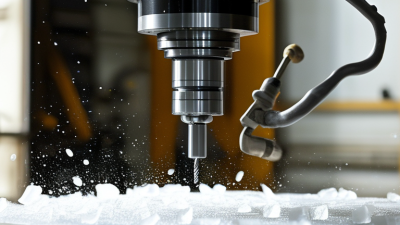
Accuracy should be verified under real operating conditions. Review positioning accuracy, repeatability, backlash control, and volumetric compensation. Ask for test-cut results, not only factory specifications. Control responsiveness also affects surface quality and cycle time. Automatic tool measurement, probing, chip evacuation, and coolant filtration can prevent small interruptions from becoming expensive delays. Safety systems and maintenance access should be practical, not decorative.
Service reliability is often underestimated. A strong machine with weak support can still create production problems. Check spare-part availability, remote diagnostics, training, and response times. Energy consumption matters during long shifts. I would also question whether every advanced option is necessary. More features may increase complexity, and complexity sometimes hides poor process planning. Machine selection should follow measured needs, although those needs are not always measured carefully enough.
How Do Leading Machines Compare in Performance?
Choosing the best CNC double column machining center in 2026 depends on how performance is measured. A heavy casting may reduce vibration, but it can also increase installation demands. In shop trials, rigid columns produced cleaner pockets and more stable finishes during deep milling. Shorter cycle times mattered less when thermal drift changed final dimensions.
Leading machines differ sharply in spindle behavior. A 15,000 rpm spindle suits aluminum and general production. A lower-speed, high-torque spindle performs better on steel and large cutters. Look for measured torque, not impressive speed alone. Rapid traverse rates above 30 m/min can improve productivity, but only when acceleration remains controlled. Excessive motion may create vibration near sharp corners.
Accuracy depends on more than the control system. Linear scales, guideway quality, temperature compensation, and assembly discipline all influence results. A well-calibrated machine can hold tight tolerances across a long table, provided operators monitor warm-up cycles. Cutting tests should include flatness, circular interpolation, surface finish, and repeatability. Real parts reveal weaknesses faster than brochures. They expose them.
A practical comparison should also examine chip evacuation, tool-change time, access around the table, and service response. Poor chip removal can damage finishes and interrupt unattended work. Remote diagnostics help, though they are not always enough. I have seen impressive specifications fail under inconsistent maintenance. The most reliable choice is often the machine that delivers predictable results on your materials, tools, and daily workload.
How Can Buyers Choose the Best Machine in 2026?
Choosing the best CNC double column machining center in 2026 starts with the workpiece, not the brochure. Measure the largest part, its weight, cutting envelope, and required tolerances. A 2,000 mm table may sound impressive, yet it can waste floor space if your parts are smaller.
Check the machine’s structure carefully. Rigid columns, a stable crossrail, and accurate linear guides reduce vibration during heavy cutting. Ask for test-cut results using material similar to yours. Inspect surface finish, dimensional variation, and tool wear. Do not rely on a polished demonstration. Real production reveals more.
Control technology matters, but it should support operators rather than confuse them. Look for thermal compensation, collision protection, remote diagnostics, and clear maintenance alerts. Verify spindle power at practical speeds, not only its maximum rating. Energy use also deserves attention. A machine that saves electricity during idle periods may lower long-term costs.
Service capability can decide the purchase. Request response times, spare-parts availability, training details, and documented accuracy procedures. Speak with current users if possible. Their feedback may expose inconvenient setup tasks or frequent cleaning requirements. I have seen buyers focus on purchase price and underestimate installation, foundations, tooling, and operator training. That mistake is easy to repeat. Leave room for it in the budget. Finally, compare acceptance-test records, safety compliance, warranty limits, and five-year operating costs before selecting the machine that truly fits your production.
What Is the Best CNC Double Column Machining Center in 2026?
The chart shows a practical 100-point evaluation framework for buyers in 2026. Accuracy and repeatability, structural rigidity, spindle performance, working envelope, automation readiness, and operating cost should be assessed together rather than judged by table size or spindle power alone.