

Welcome to the SLMN Blog

Shandong Linmo CNC Machine Tool Equipment Co., Ltd.
Insights, Tips, and More from SLMN CNC Machine Tools

10 Best Aluminium CNC Machining Centres for Precision Engineering?

In the world of precision engineering, Aluminium CNC Machining Centres play a vital role. These machines provide accuracy and efficiency for various manufacturing processes. From aerospace to automotive, their impact is profound. Each centre brings its unique features and capabilities.

Choosing the right Aluminium CNC Machining Centre can be daunting. With numerous options available, understanding their functions is crucial. Some machines excel in speed, while others prioritize detail. Engineers often face challenges in balancing these aspects. This makes informed decision-making essential for project success.

These centres are not just tools; they are an investment in quality. Businesses must weigh performance against cost. Sometimes, high-priced models offer little extra value. Reflecting on choices can lead to better outcomes. Knowing the strengths and weaknesses of different machines will guide you in making the right selection.
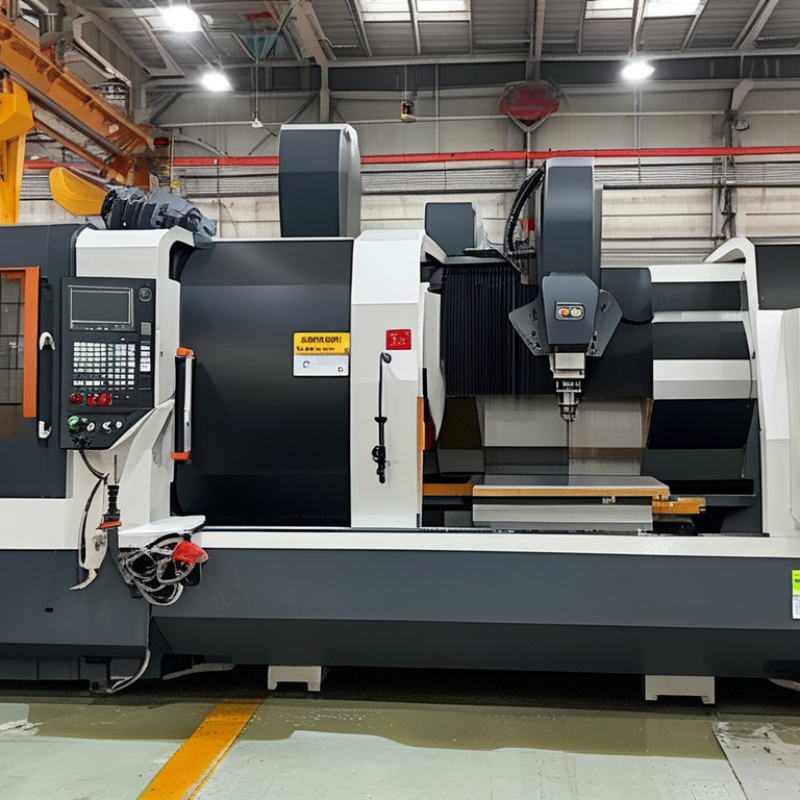
10 Best Aluminium CNC Machining Centres for Precision Engineering?

Overview of Aluminium CNC Machining Centres in Precision Engineering

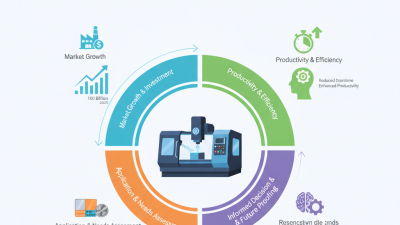
Aluminium CNC machining centres are crucial in precision engineering, shaping various components with high accuracy. Recent reports indicate that the global CNC machining market is expected to grow significantly. In fact, it is projected to reach $100 billion by 2026, driven by increasing demands for lightweight materials like aluminium. This growth highlights the vital role of advanced machining centres in meeting these needs.

These machining centres offer speed and precision. They employ advanced computer numerical control mechanisms to ensure consistency in production. The tolerance levels achievable with aluminium machining can reach just 0.01 mm, showcasing the exacting standards required in sectors like aerospace and automotive. However, challenges remain. Operators often face issues with tool wear and the machining process's complexity. Ensuring stable machining parameters is essential for maintaining efficiency and quality.

Additionally, while advancements in technology have improved capability, not all centres perform equally. Some may struggle with chip management or thermal distortion during machining, affecting the final product. Evaluating each centre’s performance is essential for any precision engineering project. Ultimately, understanding the strengths and limitations of different options can significantly impact production outcomes.

10 Best Aluminium CNC Machining Centres for Precision Engineering

Model Max Travel (X/Y/Z) Spindle Power Speed Range Table Size Price Range
Model A 1000 x 500 x 400 mm 10 kW 6000 - 24000 RPM 1200 x 600 mm $50,000 - $60,000
Model B 800 x 400 x 350 mm 8 kW 5000 - 20000 RPM 1000 x 500 mm $45,000 - $55,000
Model C 1200 x 600 x 500 mm 12 kW 8000 - 22000 RPM 1300 x 700 mm $65,000 - $75,000
Model D 900 x 450 x 400 mm 9 kW 6000 - 18000 RPM 1100 x 550 mm $40,000 - $50,000
Model E 1100 x 550 x 390 mm 11 kW 7000 - 21000 RPM 1150 x 600 mm $55,000 - $65,000

Key Features to Consider When Choosing CNC Machining Centres

When choosing CNC machining centres for precision engineering, several key features should be considered. Firstly, the machine's rigidity is vital. A rigid structure reduces vibrations and ensures precise cutting. This is crucial when working with lightweight materials, like aluminium.

Another important aspect is the spindle speed and power. High spindle speeds can significantly enhance machining efficiency. However, this can lead to overheating issues if not managed properly. Maintaining the right balance between speed and cooling is necessary for optimal results.

**Tip:** Regular maintenance checks are essential. Inspections can identify issues before they become major problems. Documenting these checks ensures reliability in your processes.

The CNC control software is equally significant. User-friendly software can streamline operations and reduce training time. However, complex features might intimidate new operators. Finding a balance between functionality and ease of use is essential for smooth operations.

**Tip:** Attend workshops to familiarize your team with the software. This hands-on experience can reveal nuances in the program that can improve productivity.

Lastly, consider the machine's footprint and workspace. Ensure it fits comfortably in your facility without obstructing workflow. A cramped space can lead to accidents and inefficiencies. Reflect on your layout to avoid future complications.

Aluminium CNC Machining Centres Performance Comparison

This bar chart compares key performance metrics for aluminium CNC machining centres. The metrics include machining speed, precision, spindle power, tool change time, and maximum workpiece size. These factors are crucial when selecting the right CNC machining centre for precision engineering applications.

Top 10 Aluminium CNC Machining Centres and Their Specifications

When it comes to precision engineering, choosing the right CNC machining center is crucial. These machines are designed to deliver accurate cuts and finishes in aluminium, a material widely used across various industries. Their specifications often include high spindle speeds, robust frames, and advanced control systems. Some models feature multiple axes for intricate part production. Others emphasize user-friendly interfaces for seamless operation.

Not all CNC machining centers perform equally. Some may lack rigidity, leading to vibration during cutting. It’s essential to evaluate the torque and load capacities before making a choice. A center with enhanced cooling systems may offer better performance during high-speed operations. Checking the software compatibility can improve operational efficiency.

Customization options are also important. Some centres allow for adjustments in tool settings and operational parameters. This flexibility can be vital for adapting to different project requirements. User reviews often highlight both strengths and weaknesses in performance. Understanding these aspects can lead to better decision-making in selecting the perfect machine for your precision engineering needs.

Applications of Aluminium CNC Machining in Various Industries

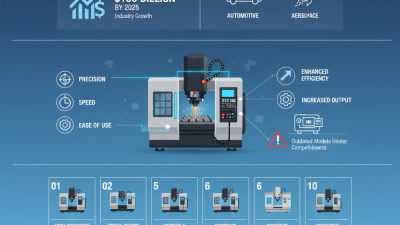
Aluminium CNC machining has transformed various industrial sectors. Its lightweight and durable properties make it a preferred choice in aerospace, automotive, and electronics. According to a report by MarketsandMarkets, the global CNC machining market is projected to reach $100 billion by 2025, indicating a growing reliance on precise engineering.

In aerospace, aluminium components are critical. For instance, aircraft frames can weigh significantly less when made from high-quality aluminium. This weight reduction enhances fuel efficiency, leading to lower operational costs. Additionally, electronic devices benefit from aluminium’s excellent thermal conductivity. It helps in heat dissipation, crucial for the longevity of components like computer chips.

Despite the advantages, challenges remain. Material properties can vary, and machining aluminium requires expertise to avoid issues like burr formation. Engineers must consider these factors to achieve precision. Moreover, quality control processes need constant refinement to ensure reliability. Understanding the nuances of aluminium CNC machining is essential for leveraging its full potential across industries.

Maintaining and Optimizing CNC Machining Centres for Longevity and Efficiency

CNC machining centres play a vital role in precision engineering. Over time, their performance may degrade unless properly maintained. Regular maintenance is crucial. A recent industry report indicates that nearly 30% of CNC machine failures result from lack of upkeep. This statistic underscores the importance of consistent checks and upkeep.

Optimizing performance can mean better output and efficiency. Simple actions, like cleaning and recalibrating, can enhance accuracy. According to data, machines that undergo regular maintenance can improve productivity by up to 25%. However, many operators overlook this, focusing solely on production goals. This can lead to costly downtime and repairs.

It's vital to take a proactive approach. Employing qualified technicians for routine checks ensures longevity. Neglecting maintenance may seem convenient in the short term but often leads to larger issues down the line. In this competitive industry, investing time in routine optimizations can significantly benefit overall efficiency and reduce long-term costs.

  • Address

    North of Industrial Road, Linqing Economic Development Zone,Liaocheng City, Shandong Province, China

  • Email

    w.eric@lucimagnet.com

  • Phone/WhatsApp

    Eric: 0086-15688878114

Get in touch with SLMN today. Whether you have questions about our CNC machine tools , or are interested in becoming a distributor, our team is ready to assist you.

© 2025 Shandong Linmo CNC Machine tool Equipment Co.,Ltd. All Rights Reserved.

Privacy Statement Terms & Conditions Sitemap

© 2025 Shandong Linmo CNC Machine tool Equipment Co.,Ltd. All Rights Reserved.

Privacy Terms & Conditions Sitemap